ACCULTURATION
My work is rooted in a lifelong sense of exclusion and in the uneasy realization that the country in which I was born has often felt both familiar and foreign. Through photography, I seek to understand the persistent tension of belonging and un-belonging that has shaped my experience as the child of immigrants, first in the small Pennsylvania town where I was raised and later in the cities I have called home. The camera has become both a tool of inquiry and a means of reconciliation, allowing me to examine the complexities of identity, family, and cultural inheritance.
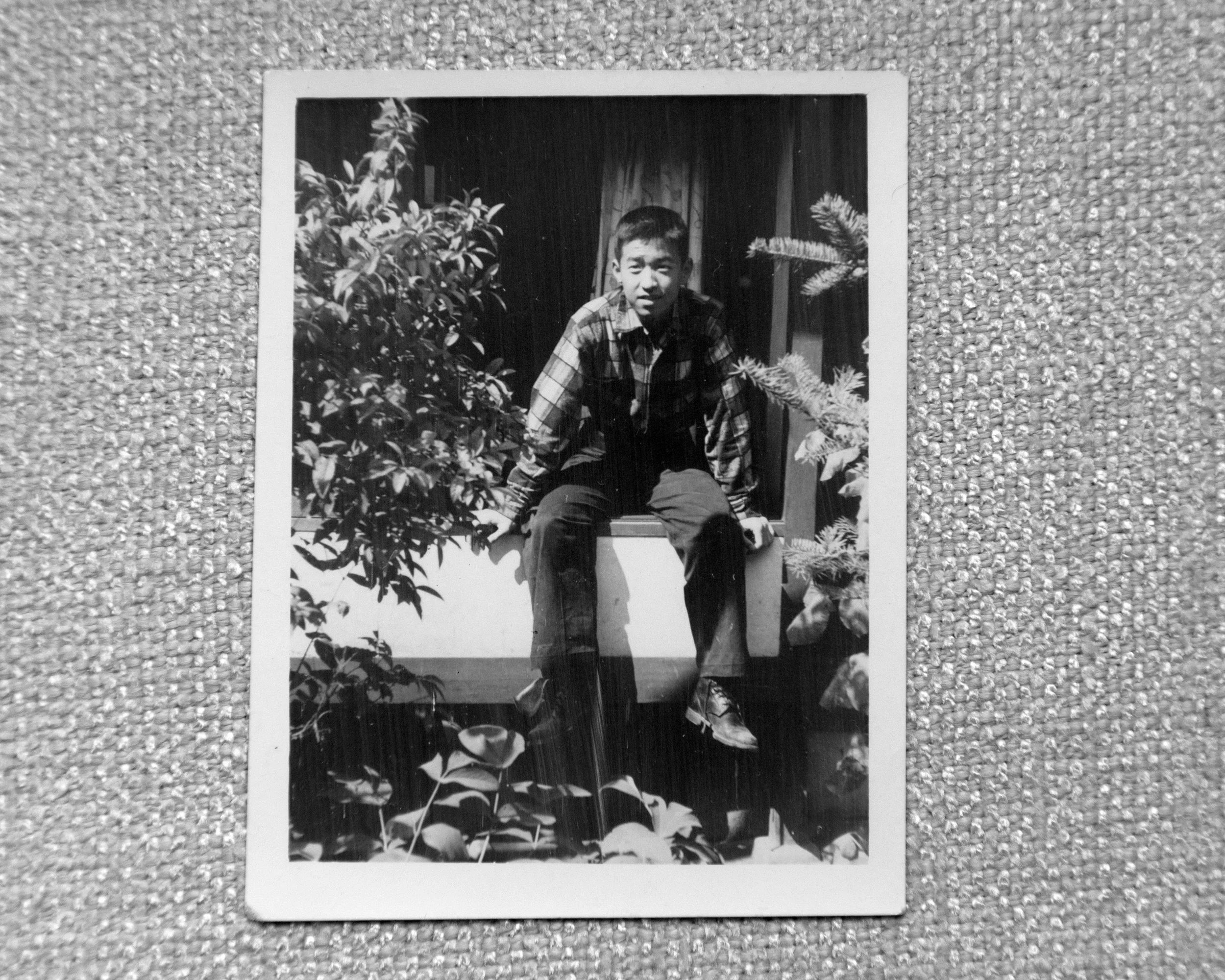
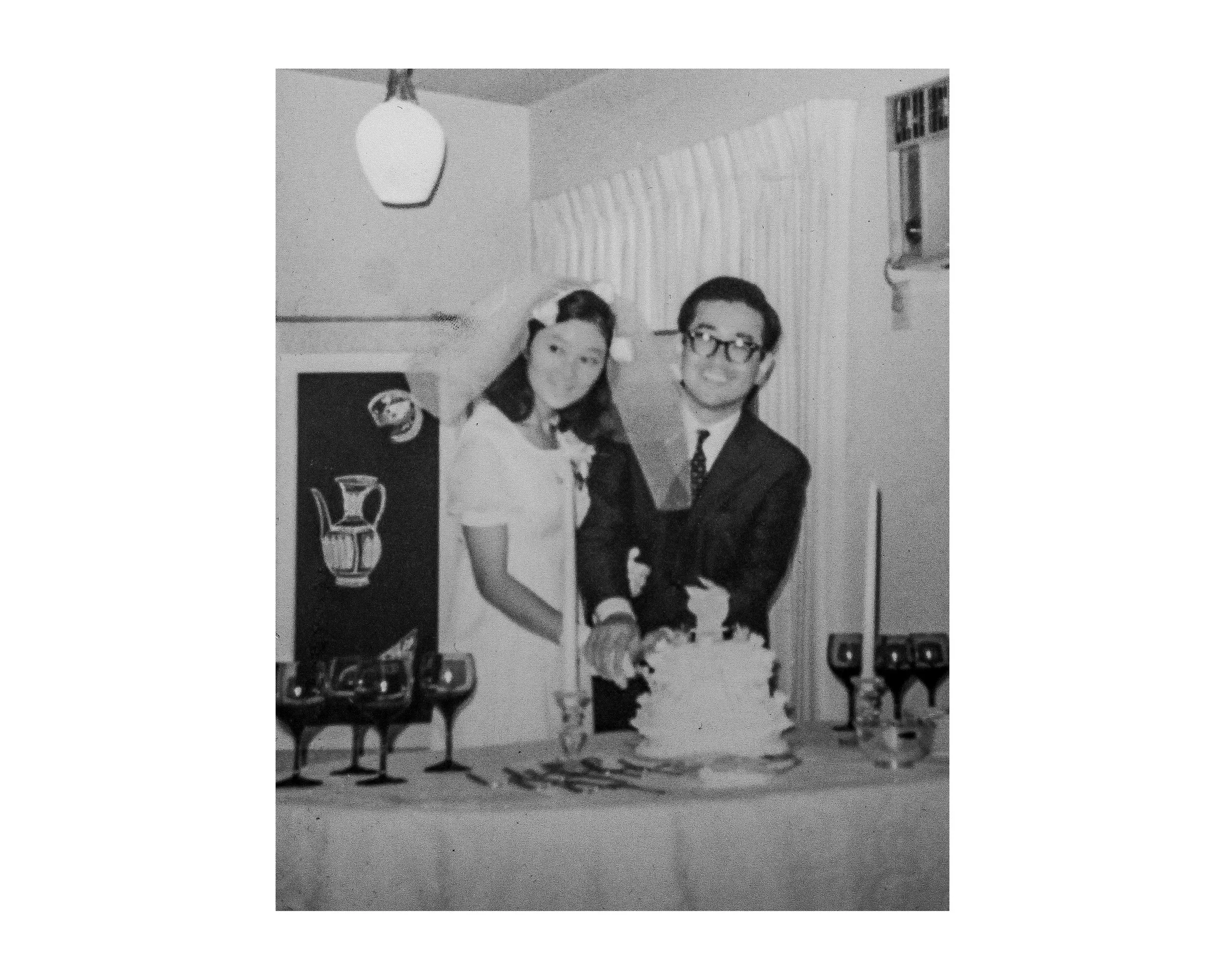
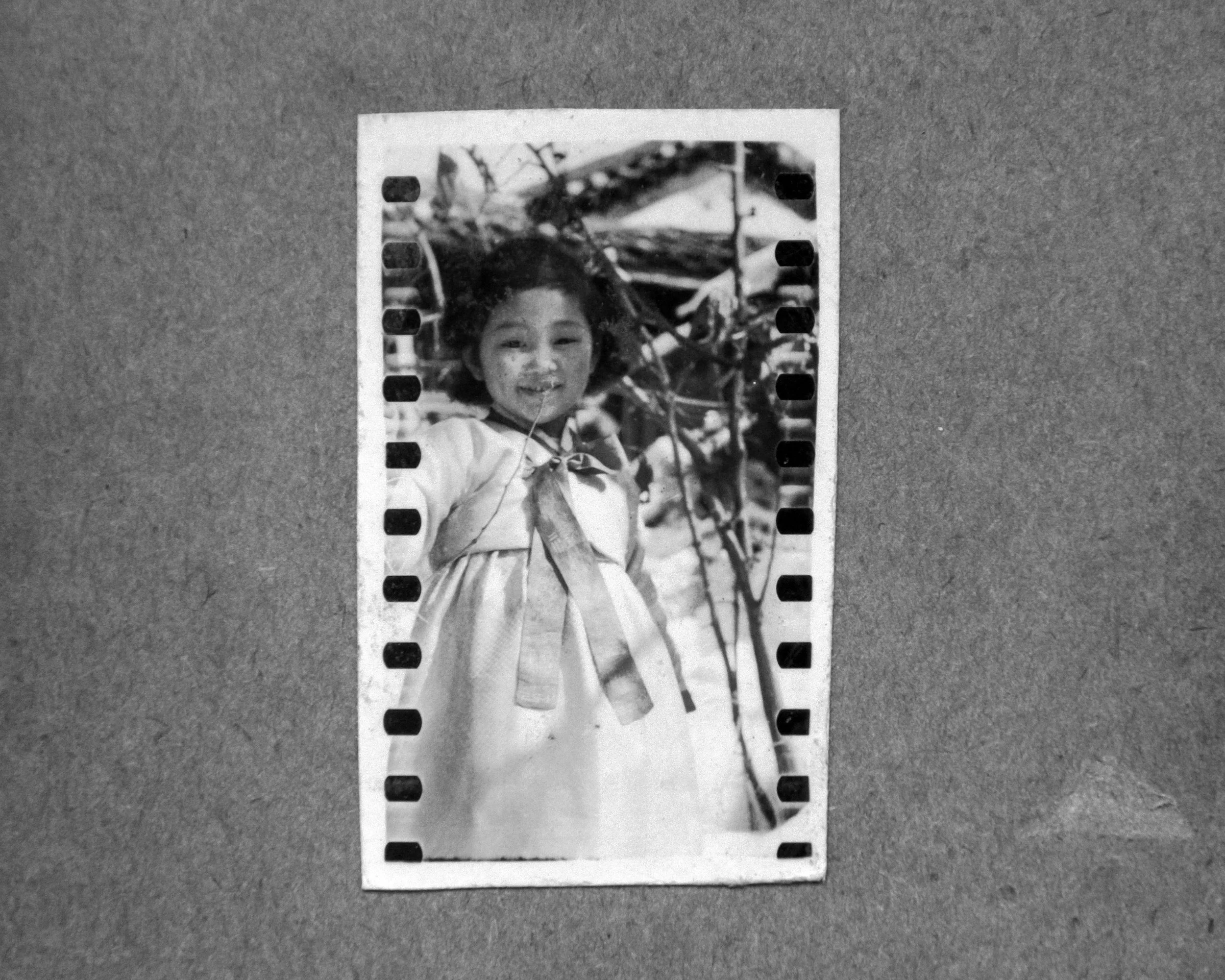
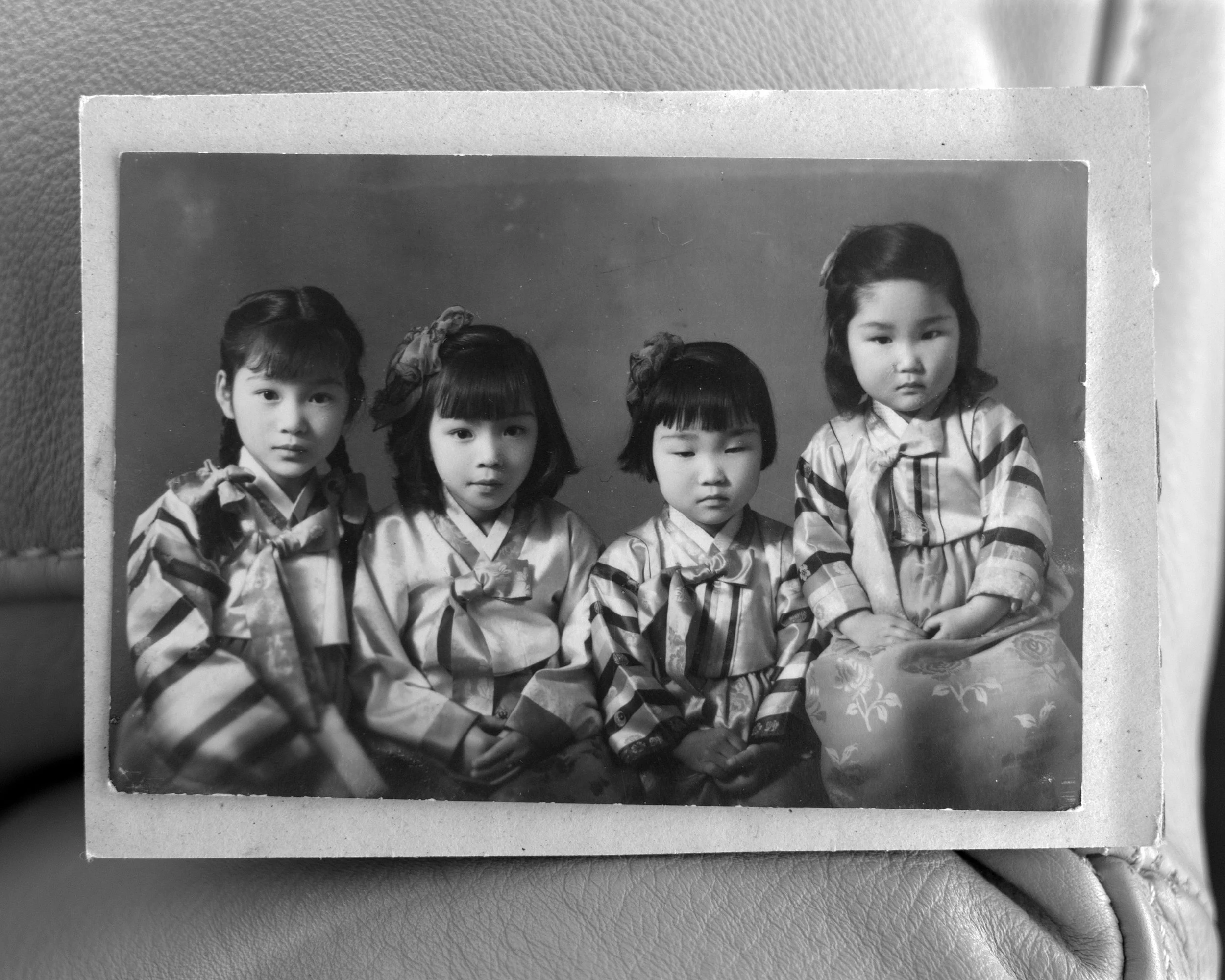
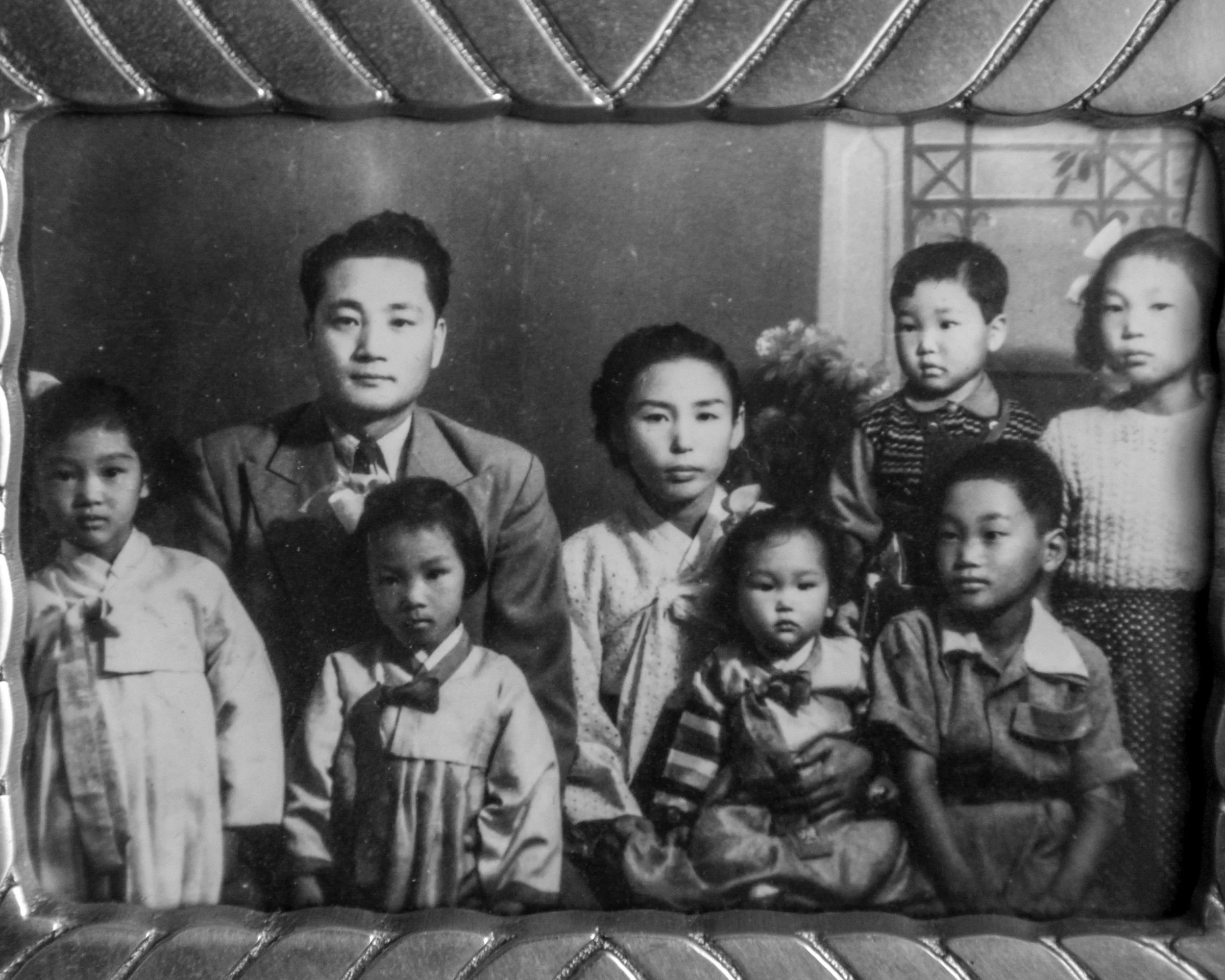
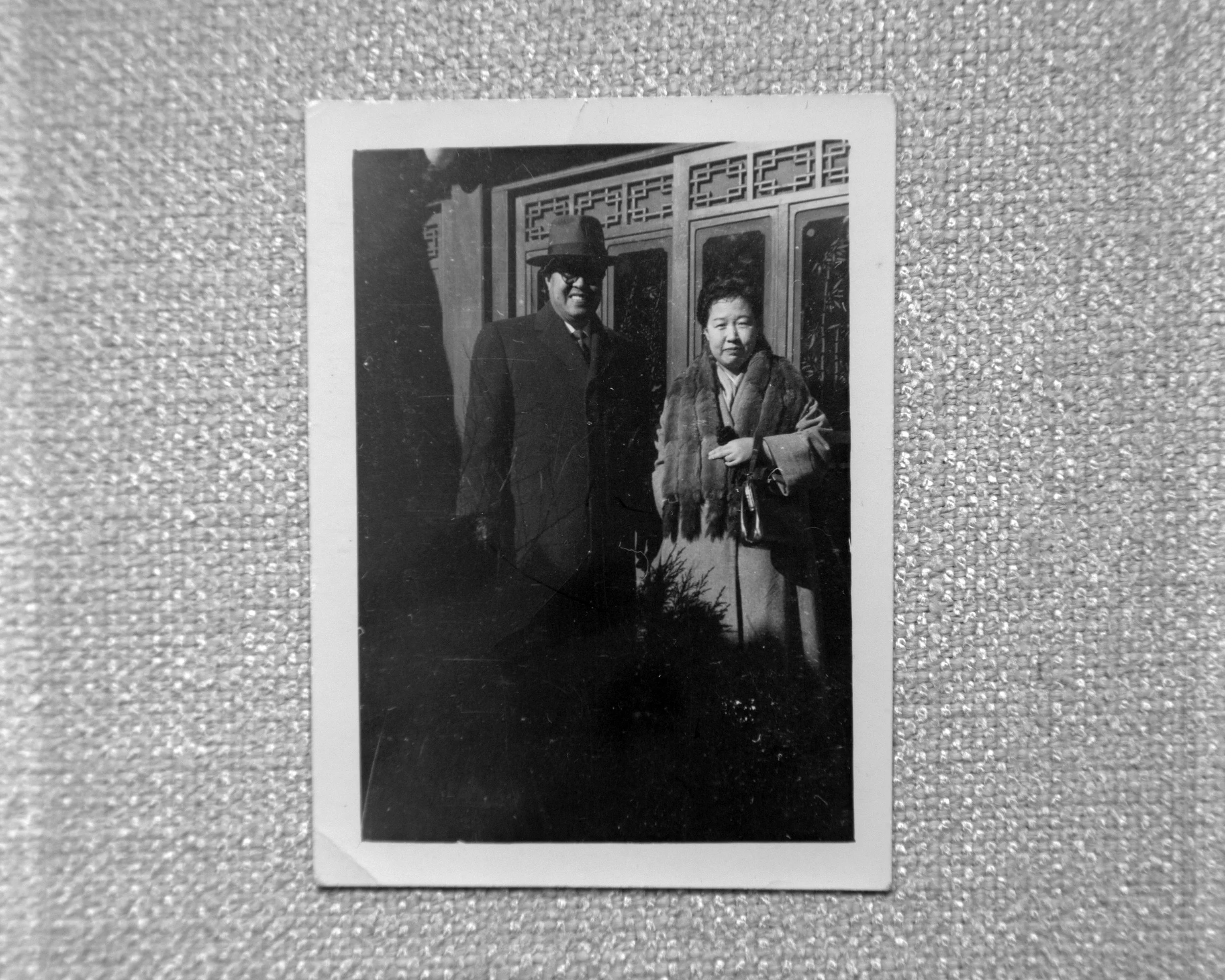
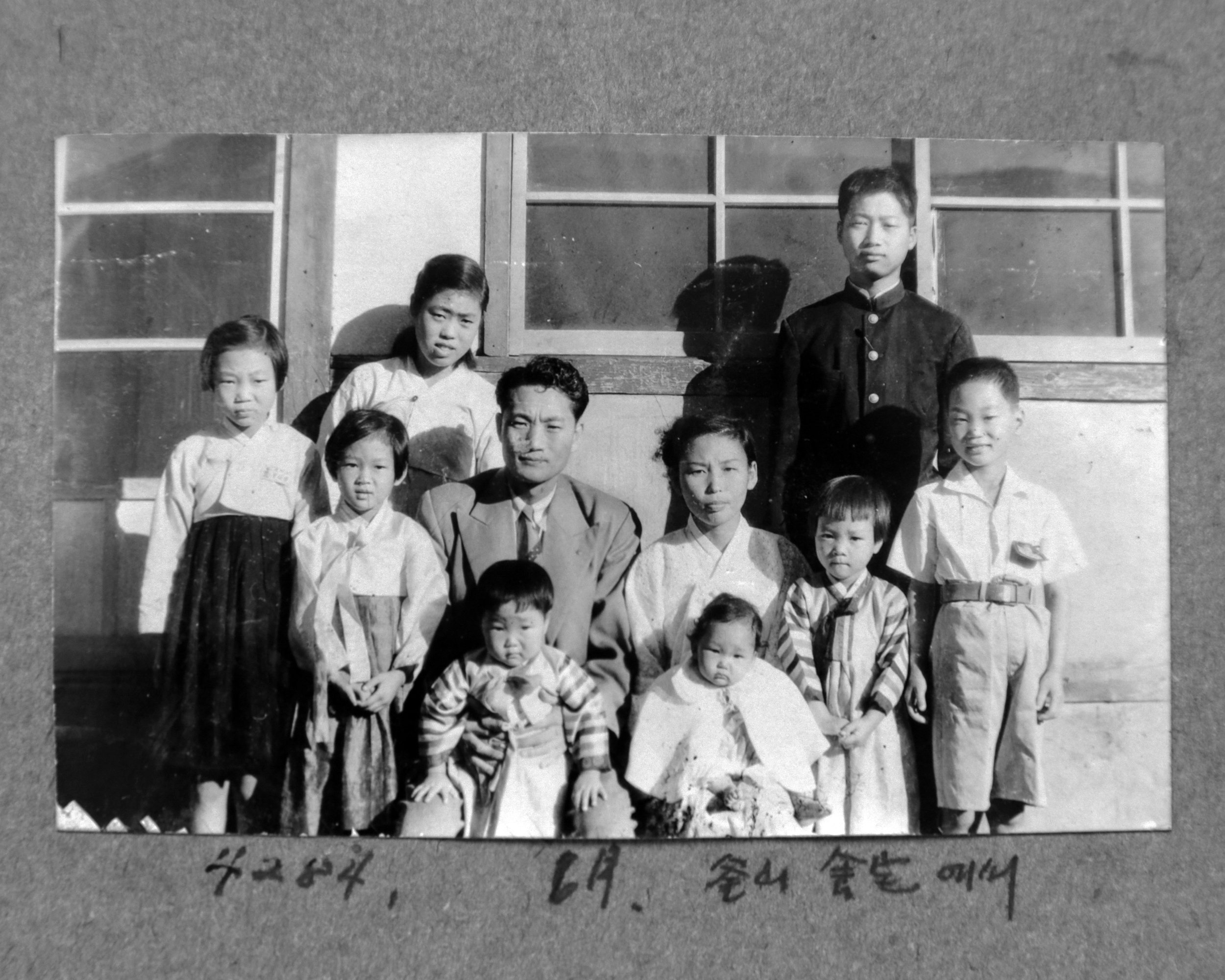
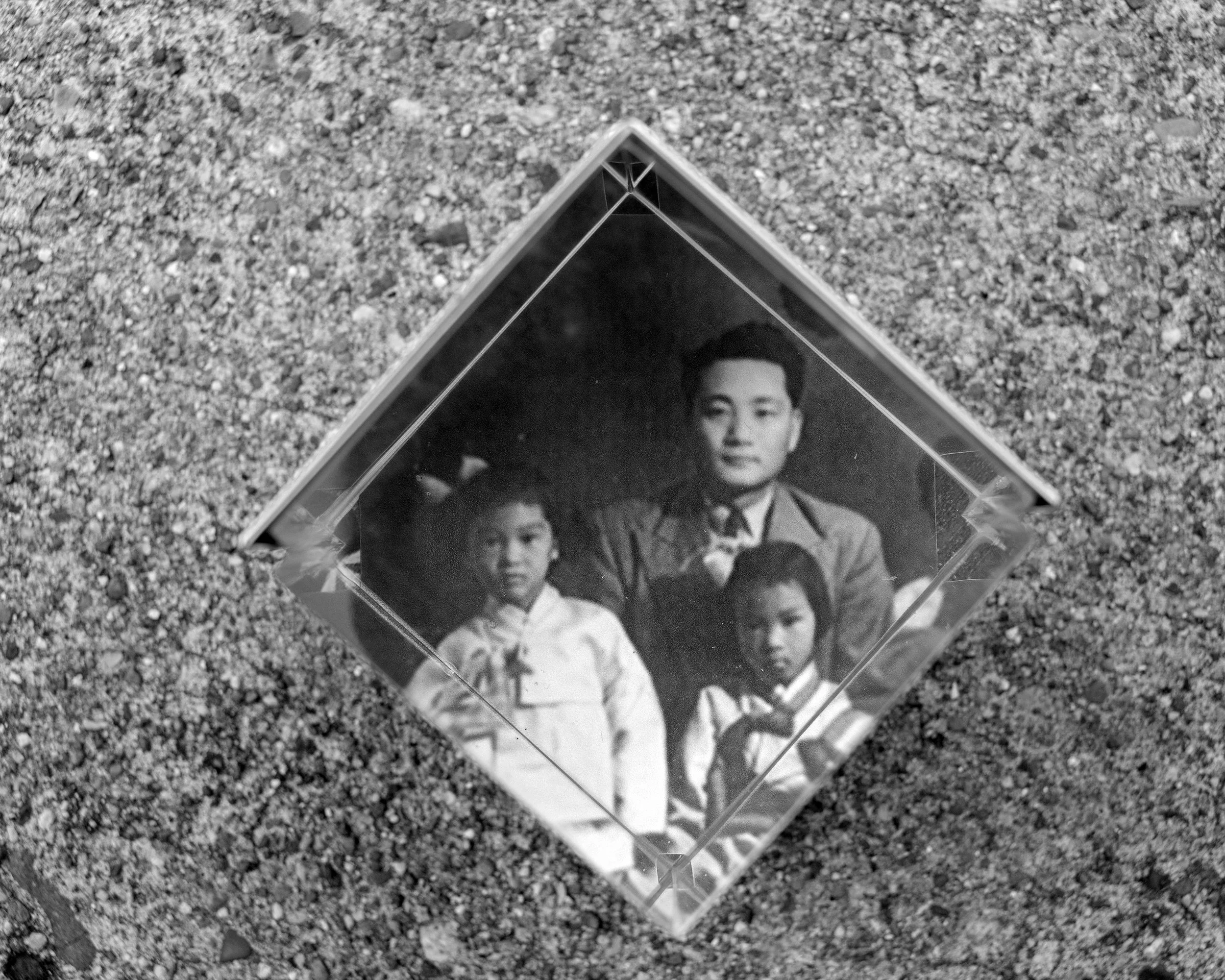
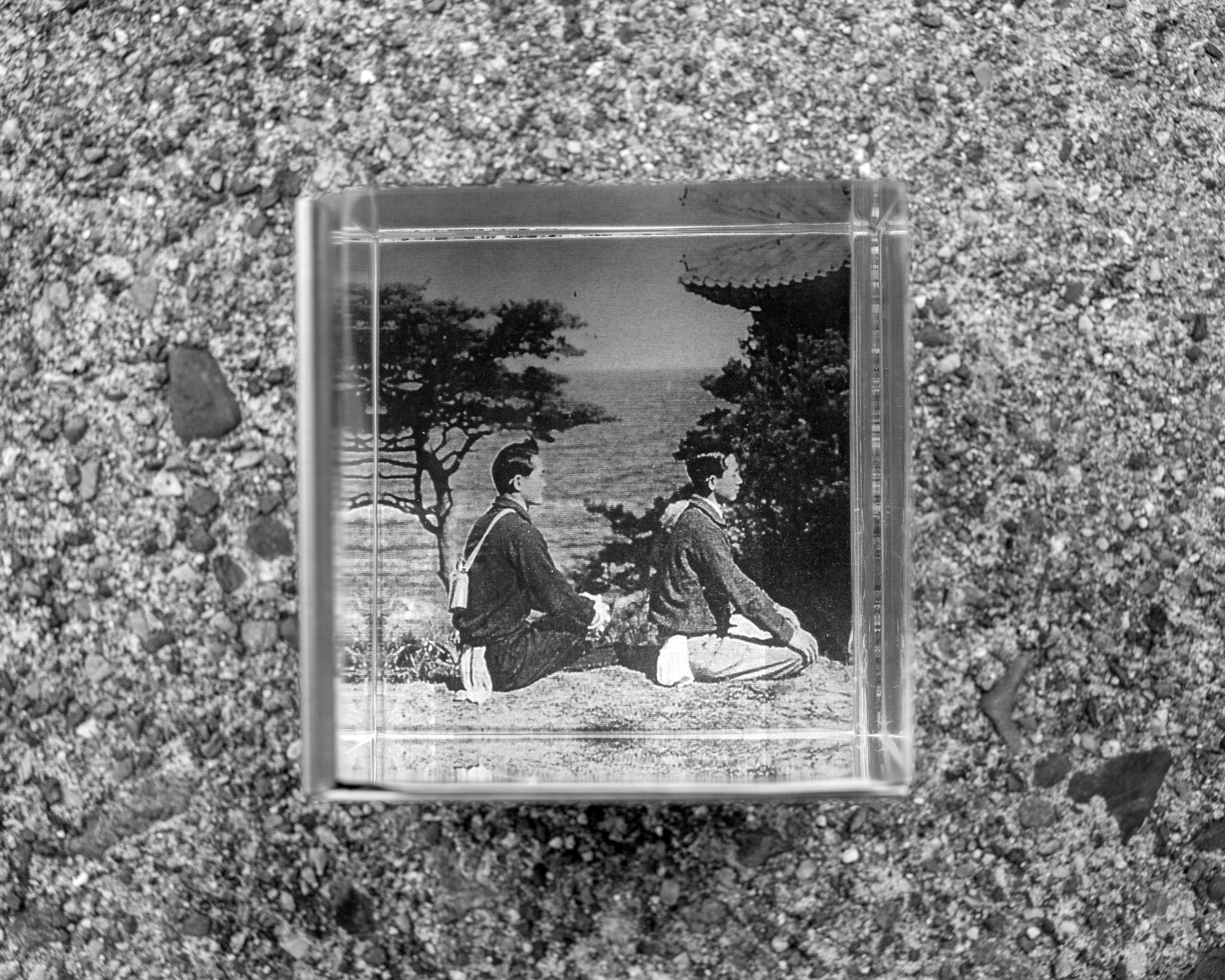
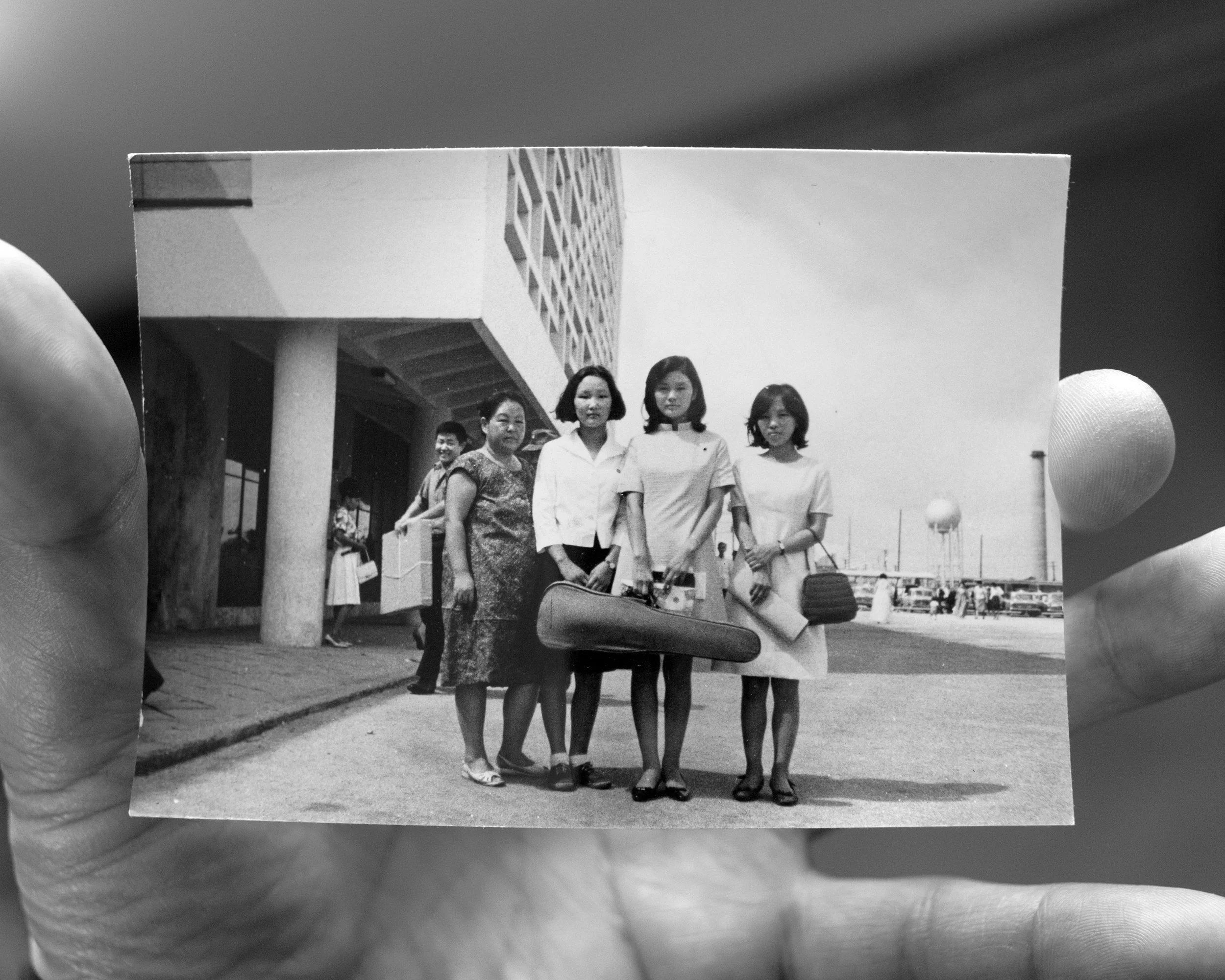
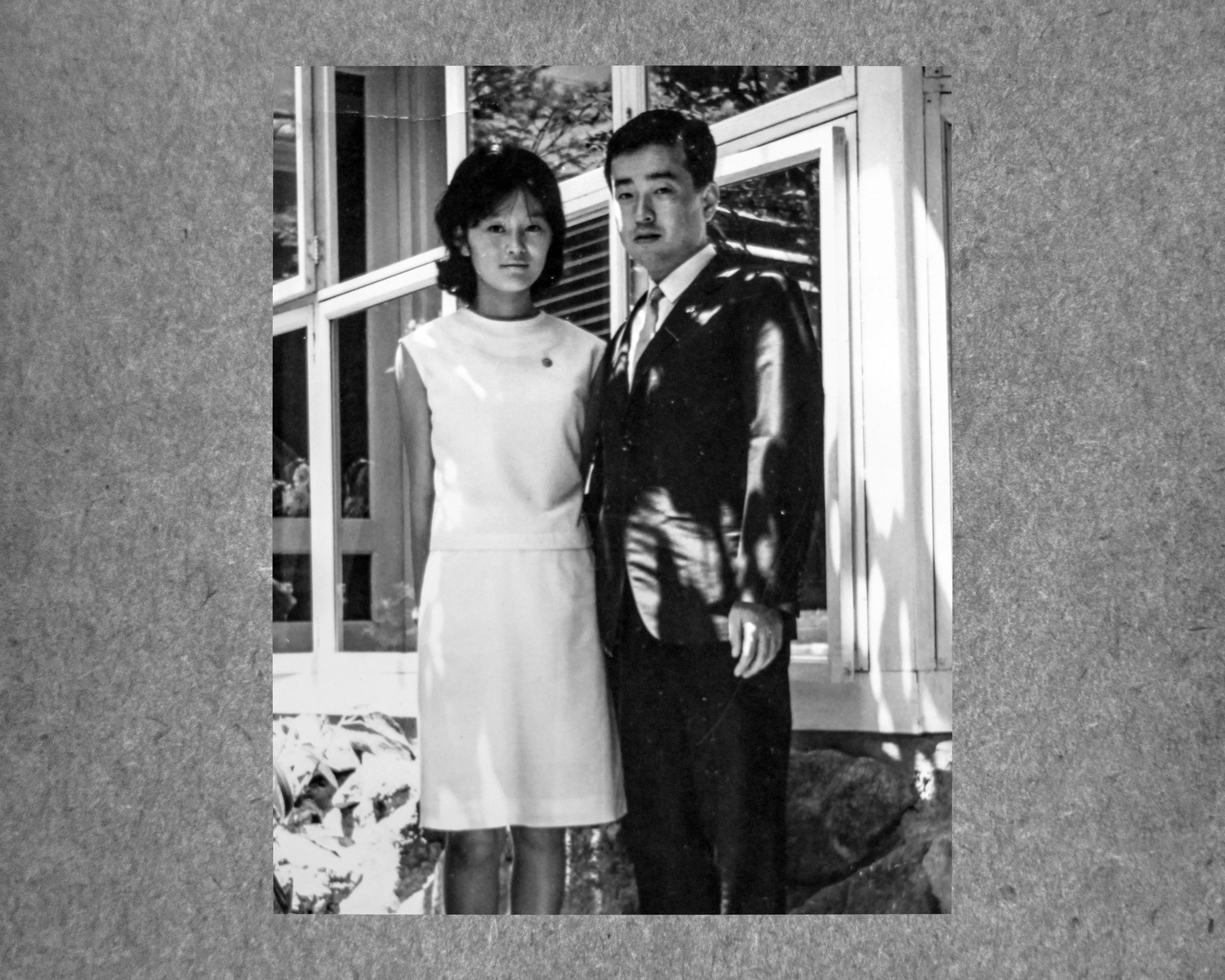
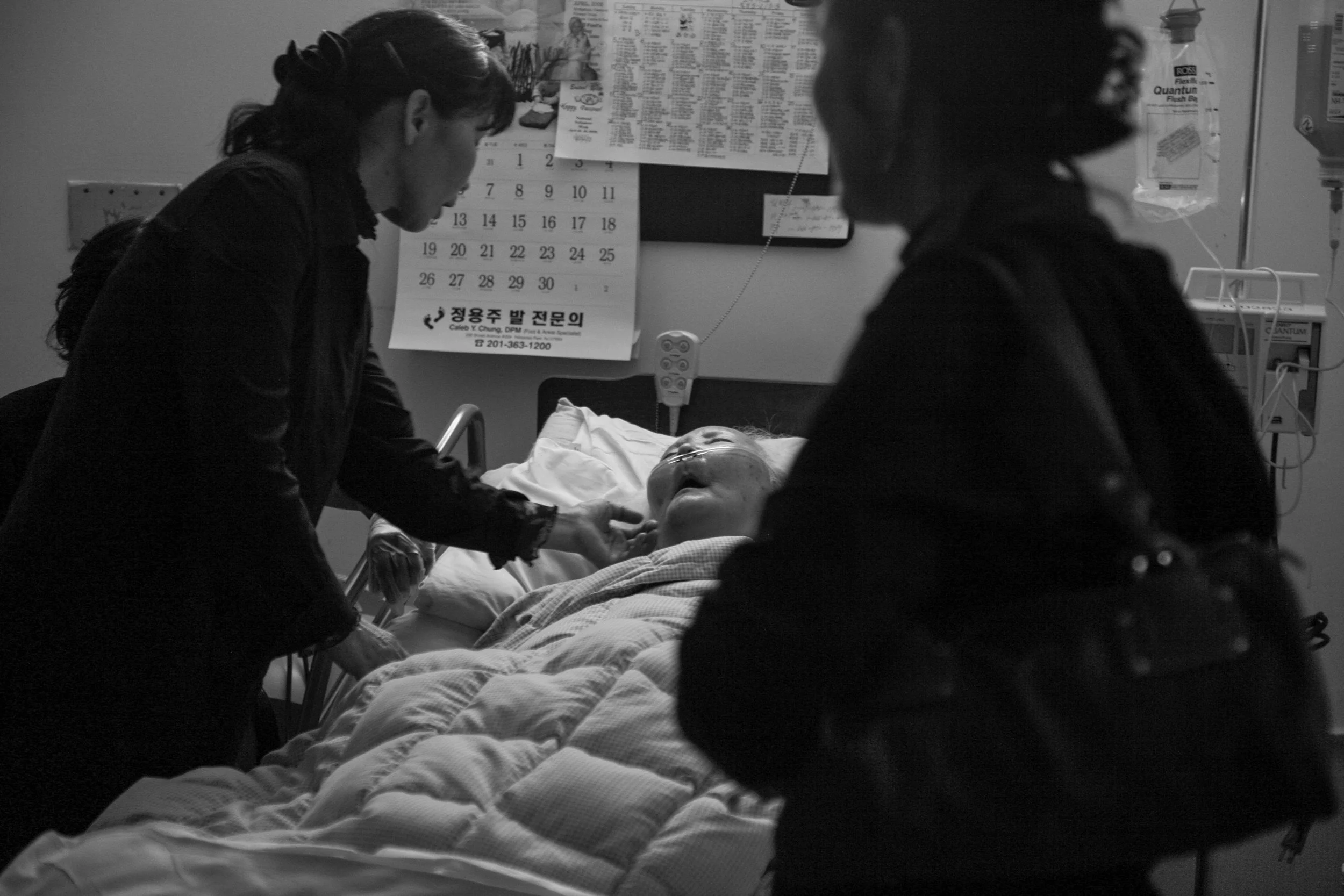
At the center of this body of work is an investigation into my parents’ immigration from South Korea to the United States and the process of assimilation that transformed not only their lives but also those of the generations that followed. Their journey—marked by sacrifice, resilience, and profound uncertainty—continues to reverberate through our family history. Through photographs, recorded conversations, and the preservation of personal artifacts, I attempt to trace the ways in which displacement and adaptation echo across generations, shaping our understanding of home, memory, and self.
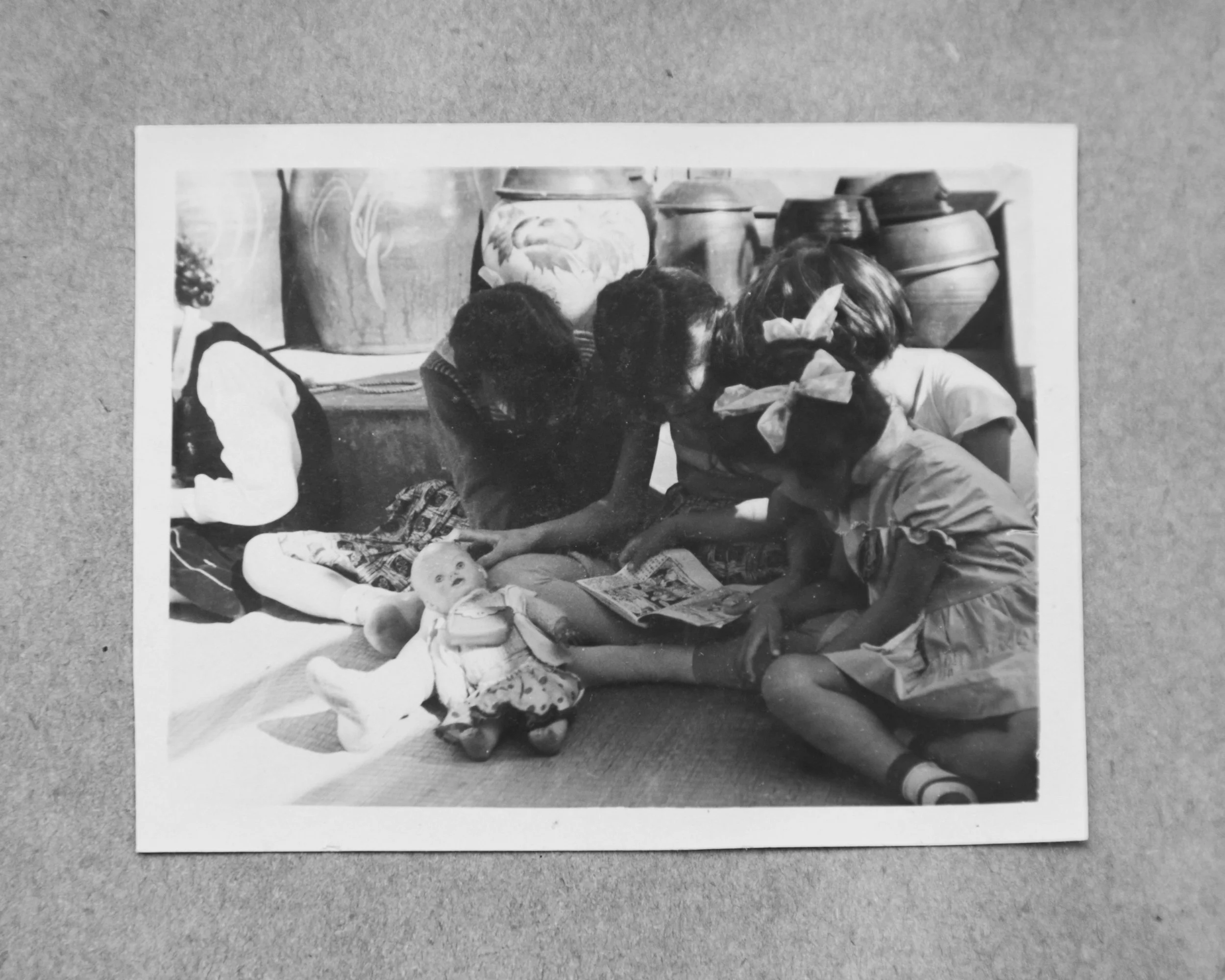
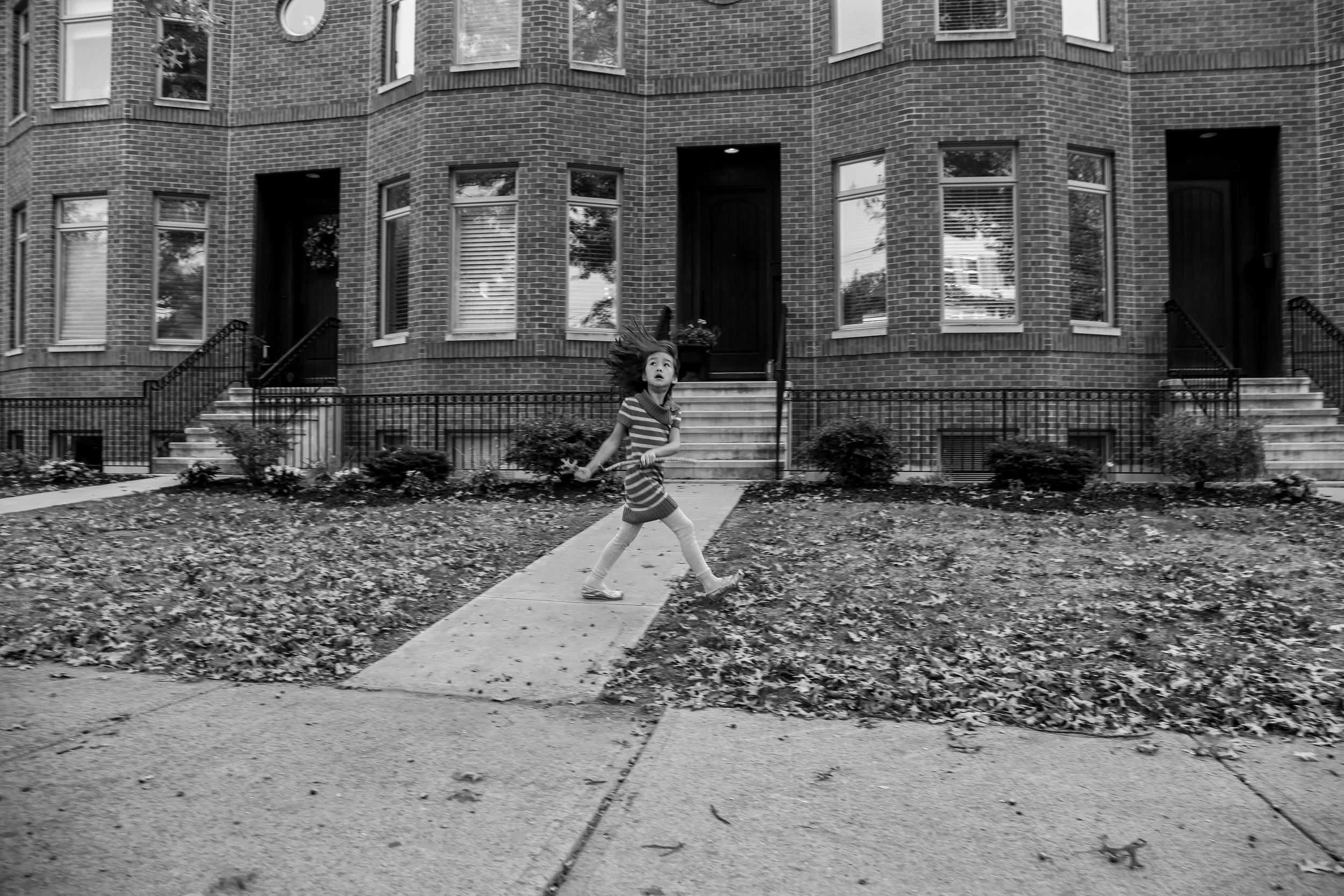
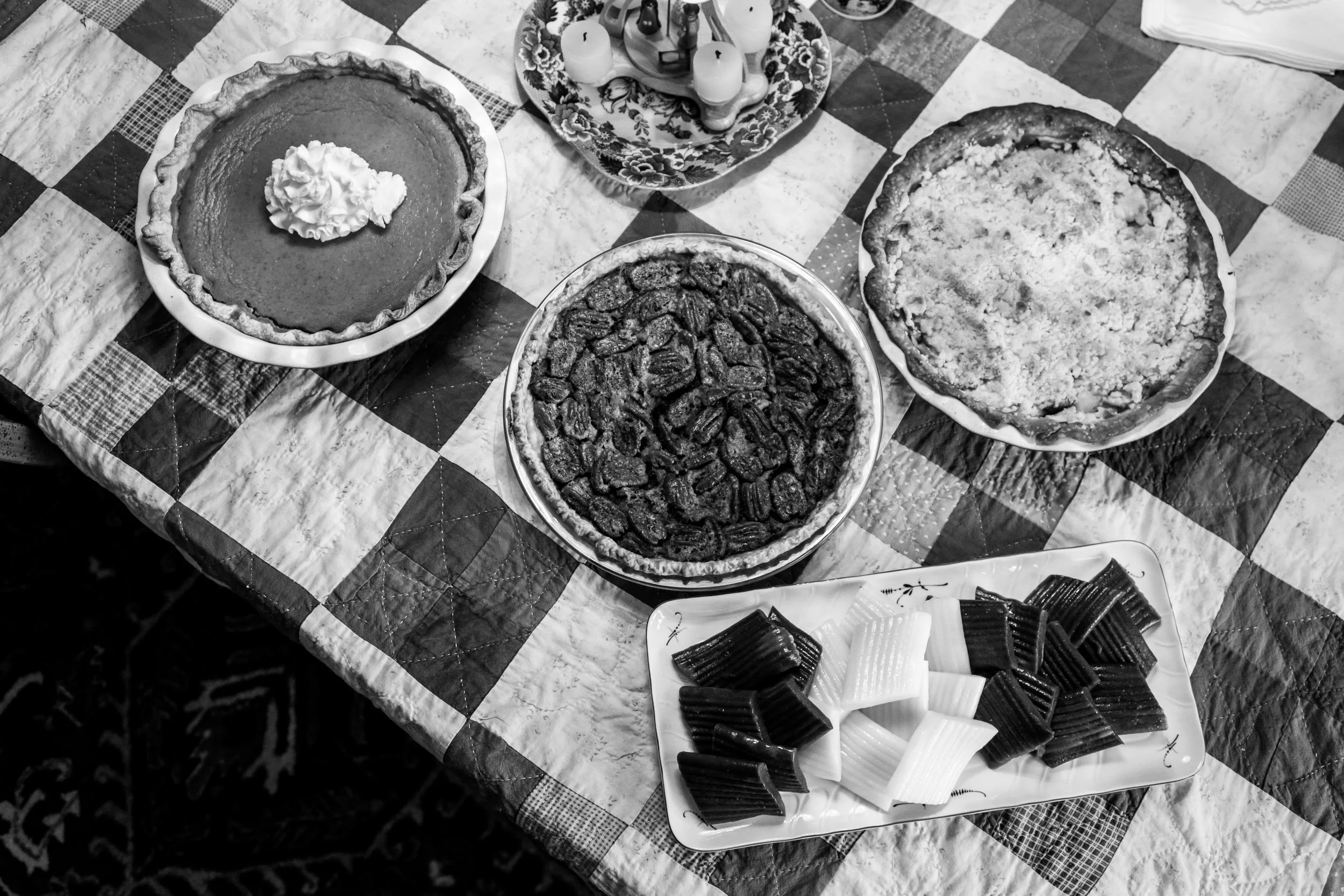
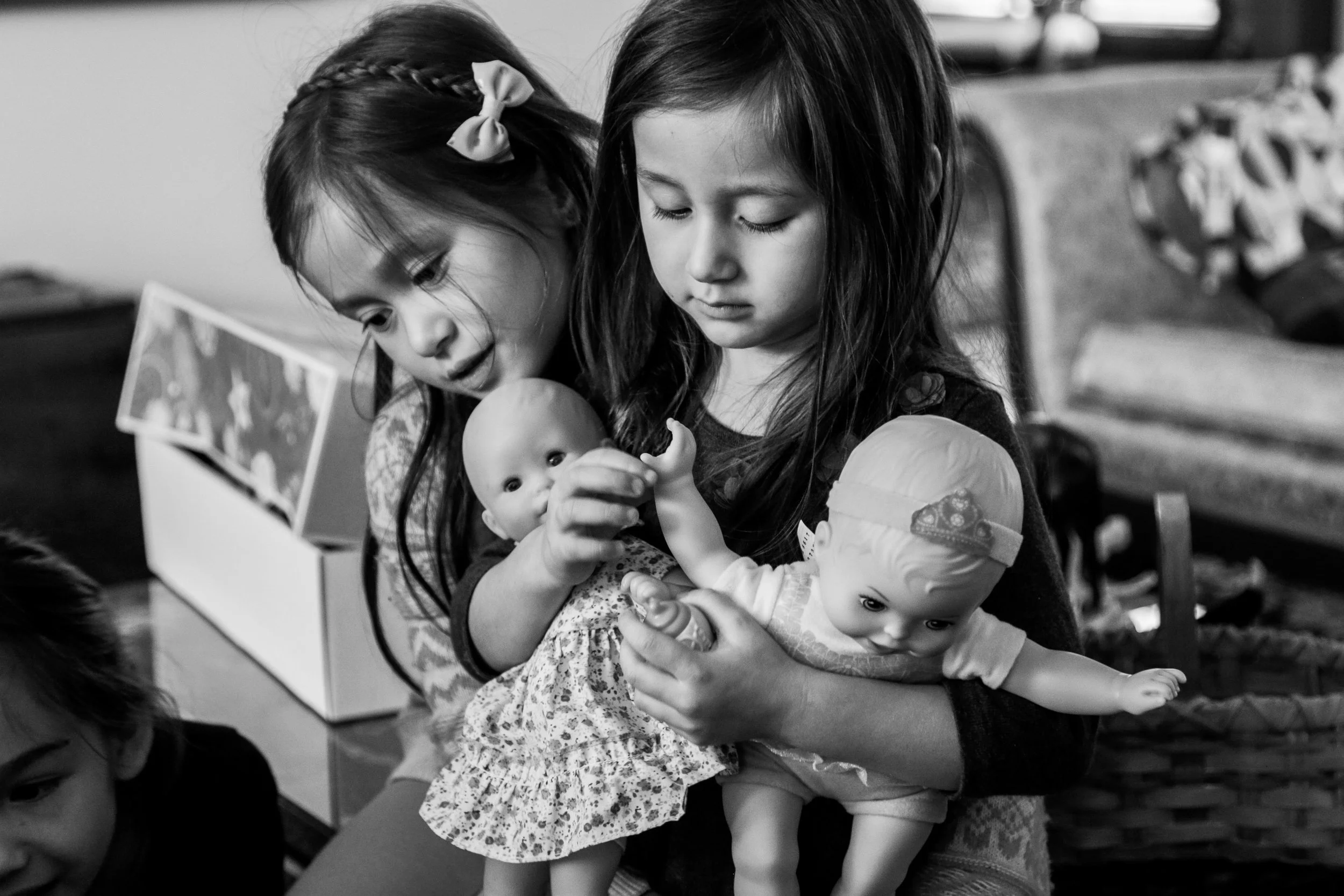
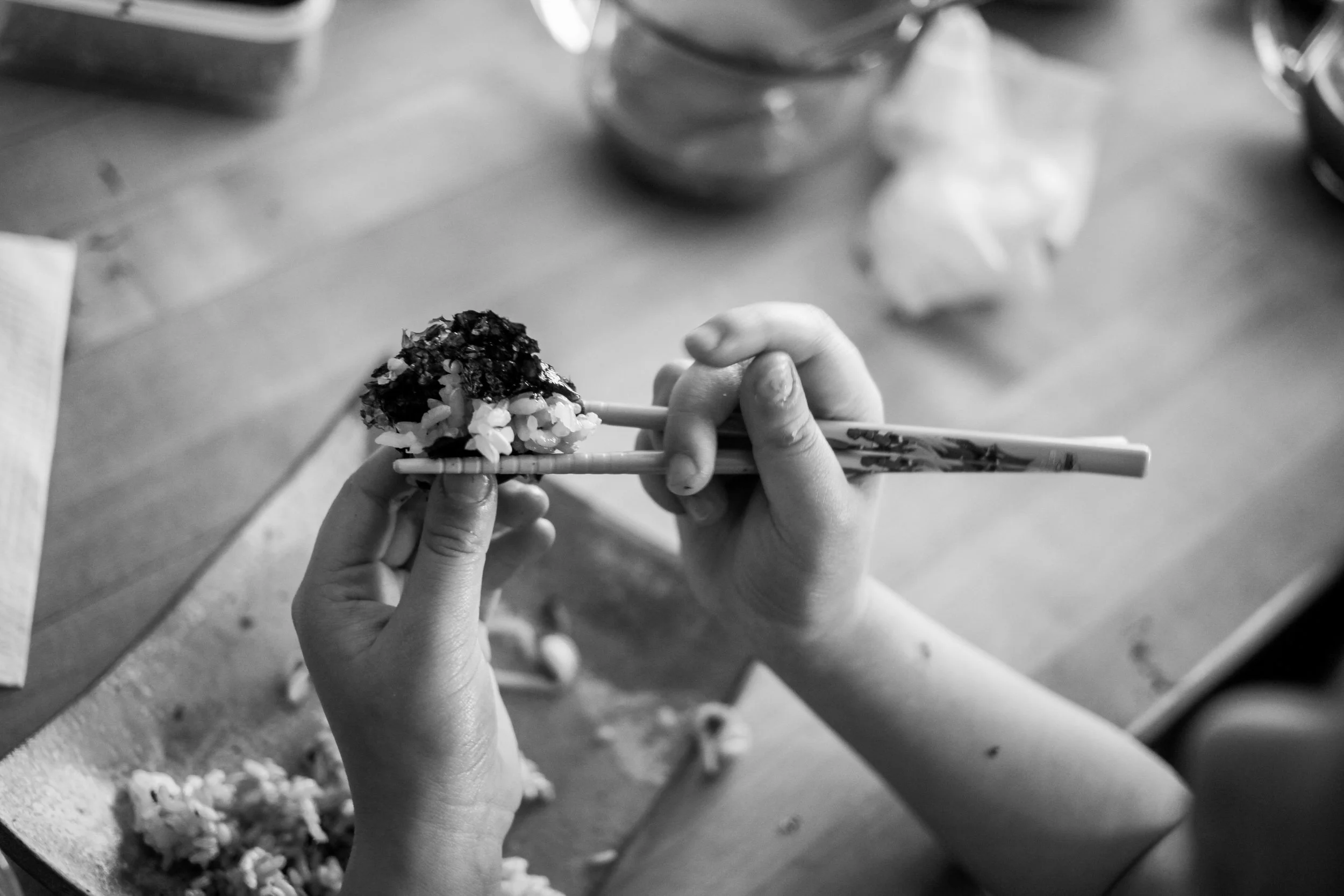
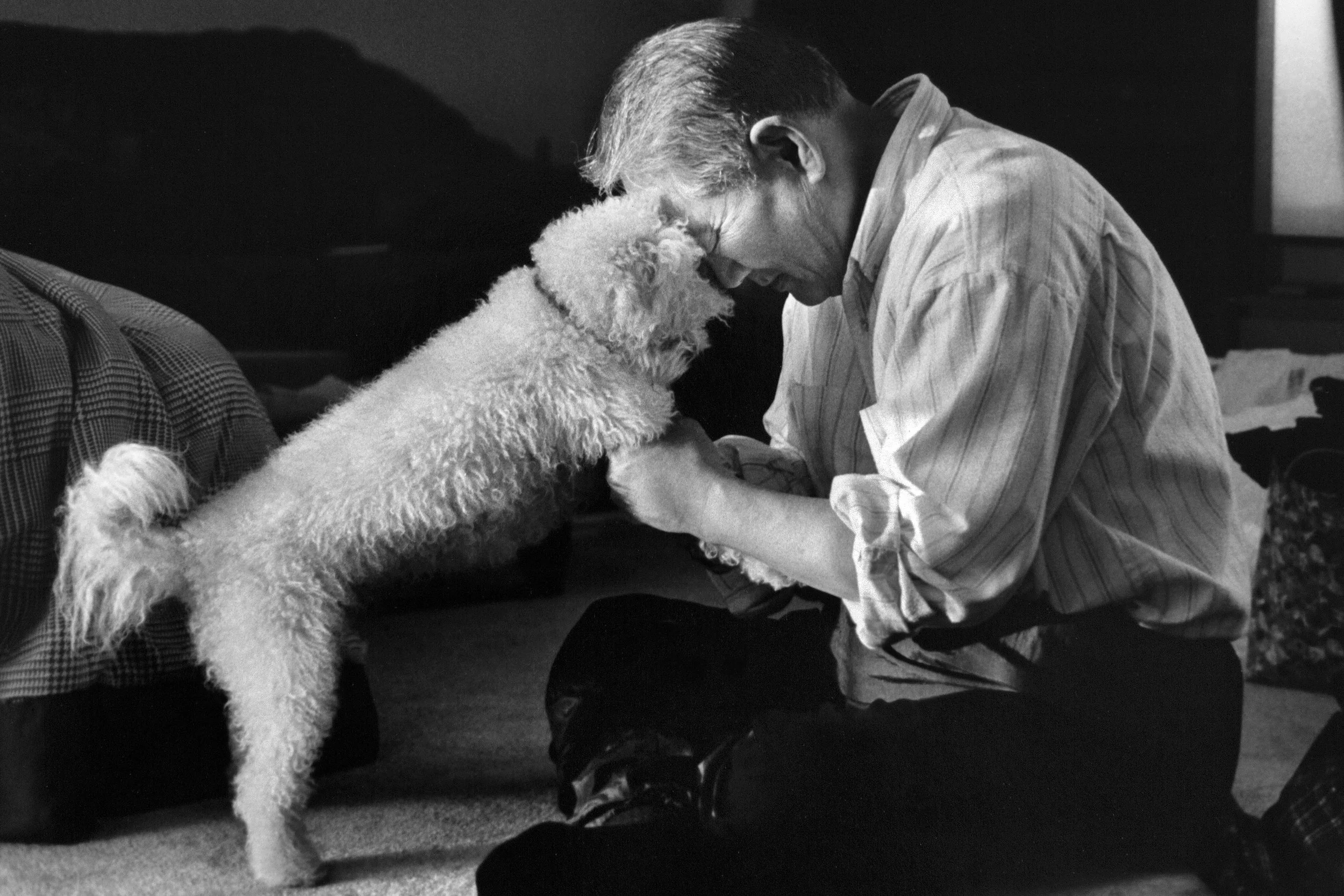
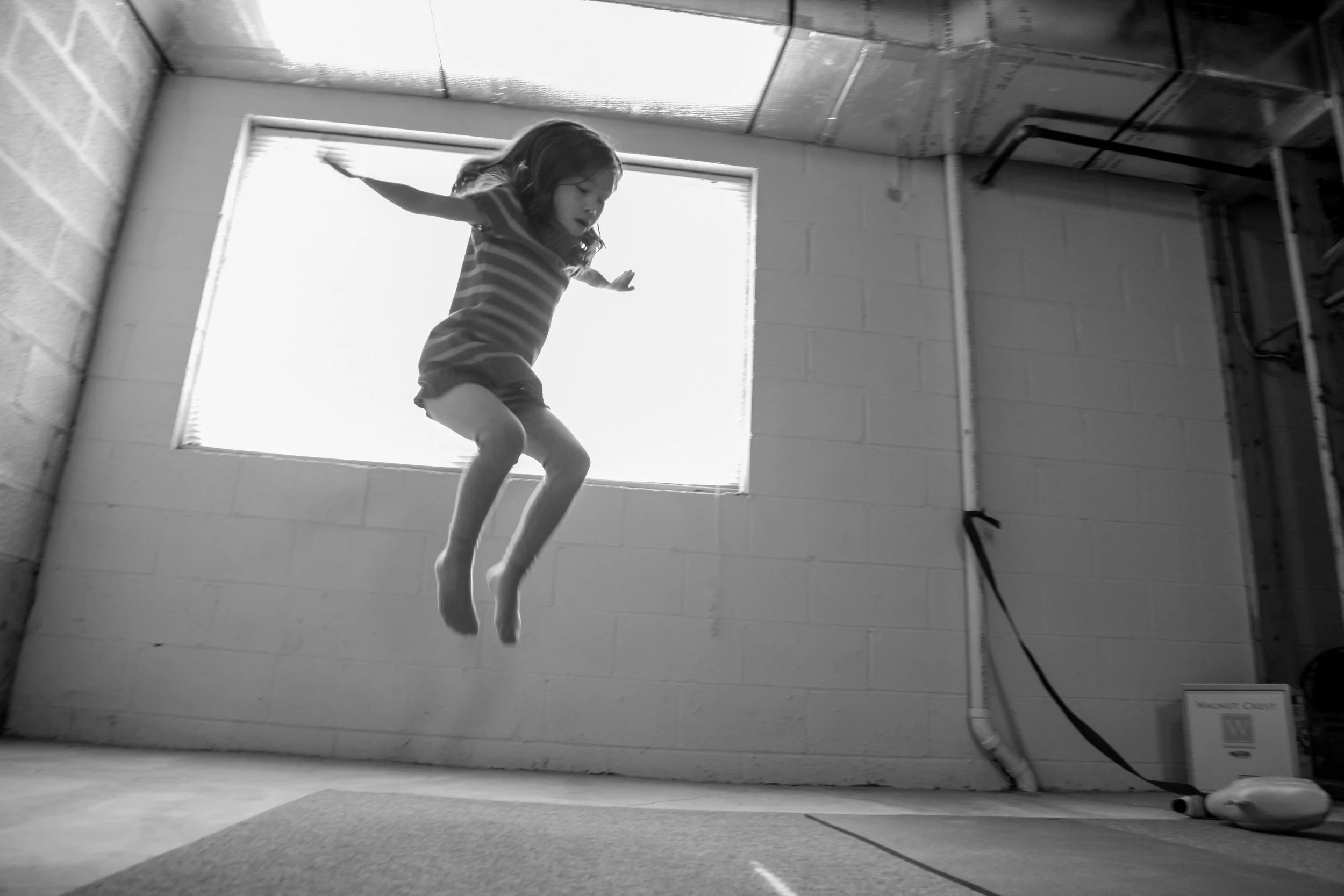
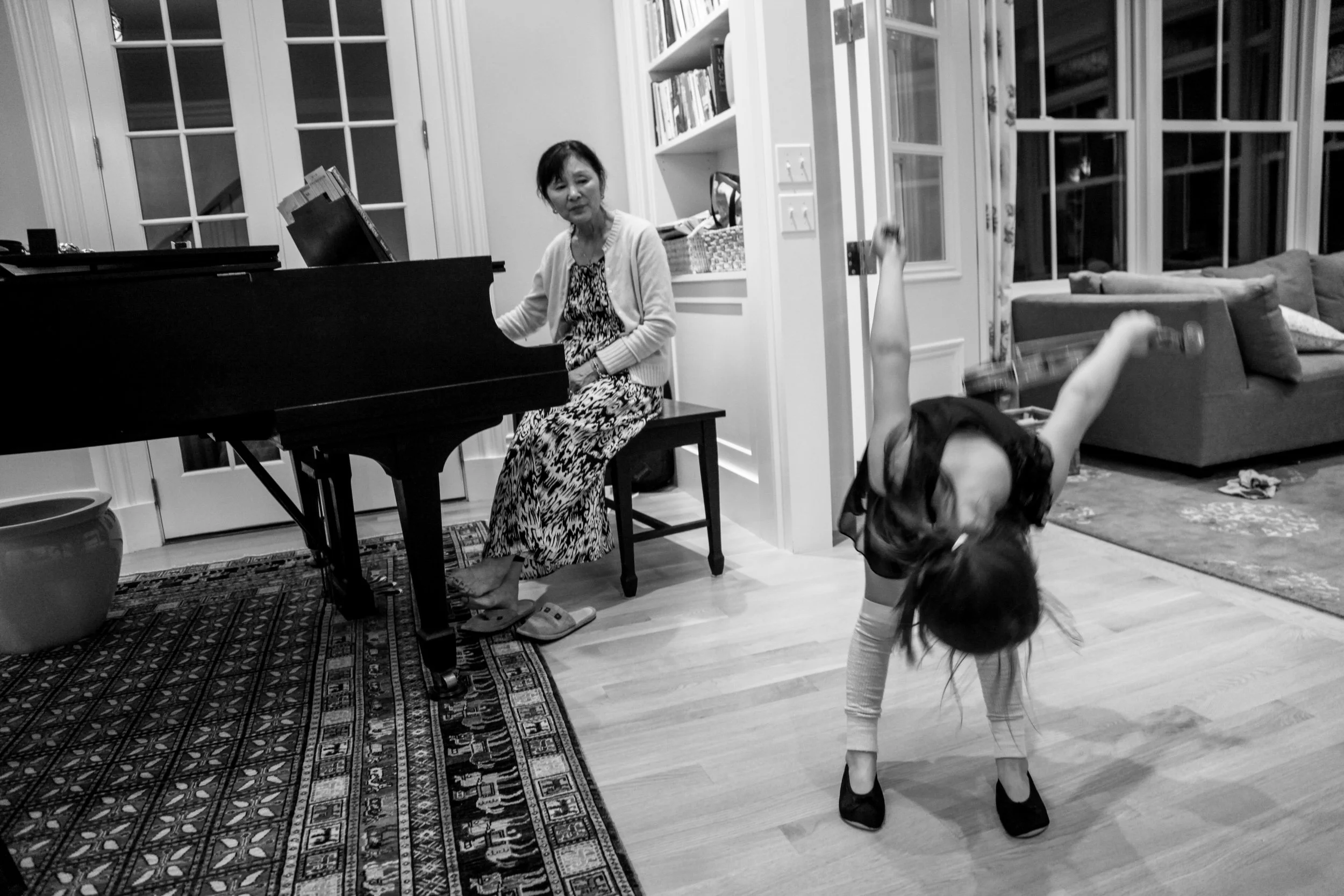
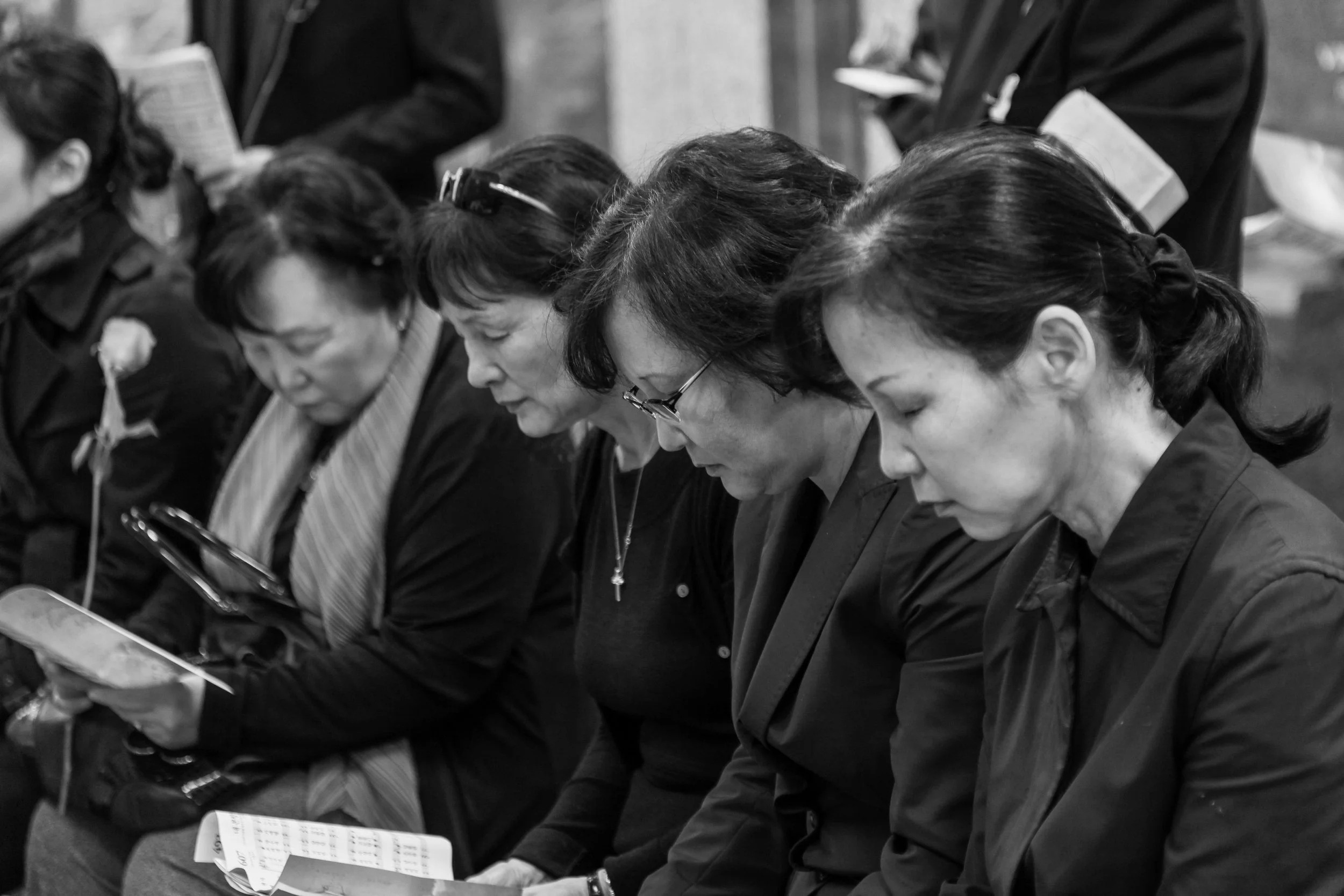
The project encompasses an eclectic and deeply personal collection of images. Some photographs depict the ordinary rituals of family life: relatives gathered around a Thanksgiving table laden with turkey, stuffing, and kimchi; children at play during holiday celebrations; moments of quiet intimacy that reveal the subtle intersections of Korean and American traditions. Others are made with toy cameras whose imperfections and soft focus evoke the fragile, dreamlike quality of memory itself. In these images, familiar places—a neighborhood church, a childhood park, the streets where I learned to ride a bicycle—become repositories of both comfort and ambiguity, imbued with the emotional weight of a past that is constantly being reinterpreted.
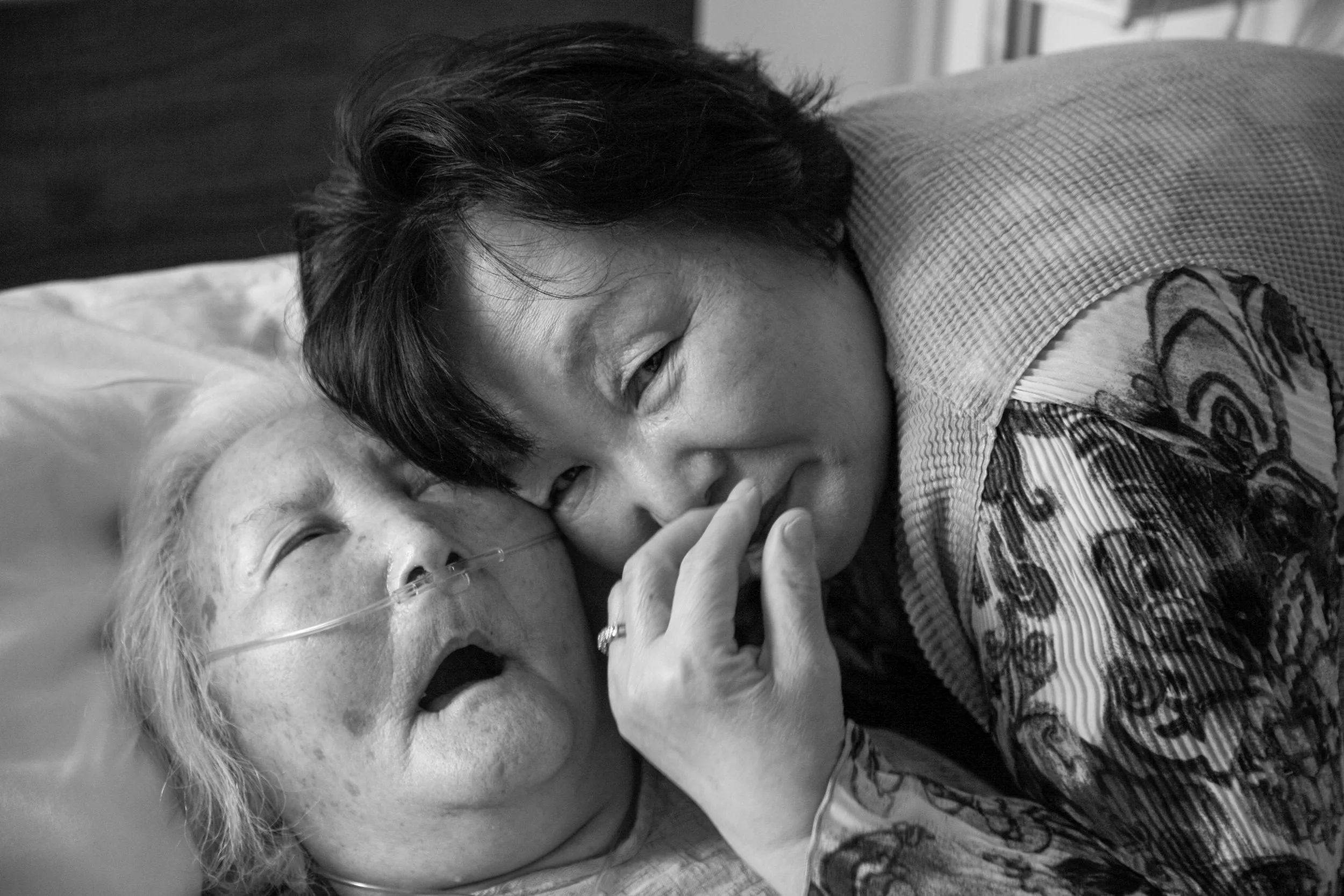
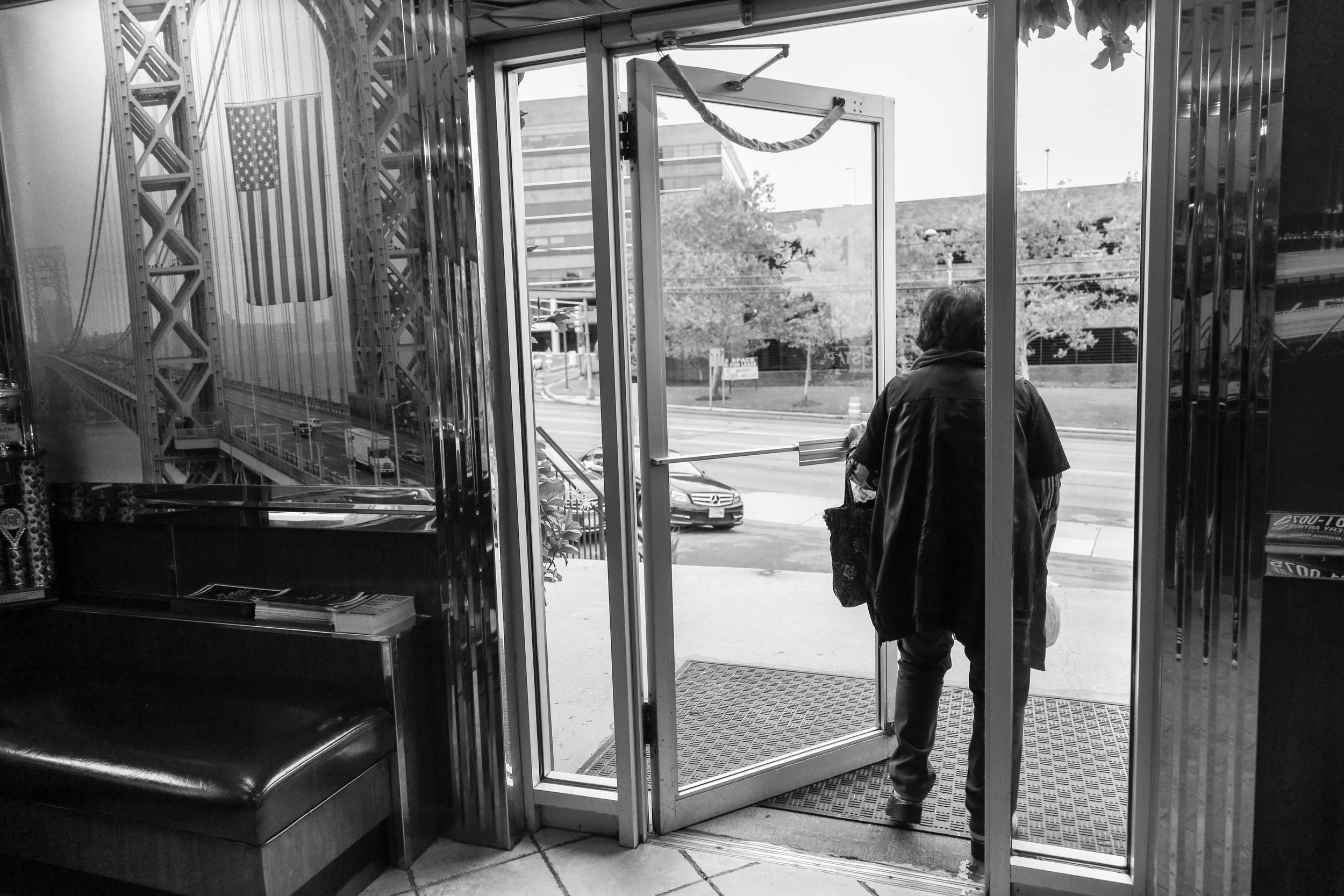
As the project has evolved, several themes have emerged repeatedly: history and hardship, tolerance and understanding, memory and loss, assimilation and resistance. I am particularly interested in the spaces where cultures overlap and identities become fluid, where inherited traditions coexist with the pressures of adaptation. The photographs do not attempt to resolve these tensions; rather, they acknowledge the complexity of existing between worlds and the ways in which that experience can foster both alienation and connection.
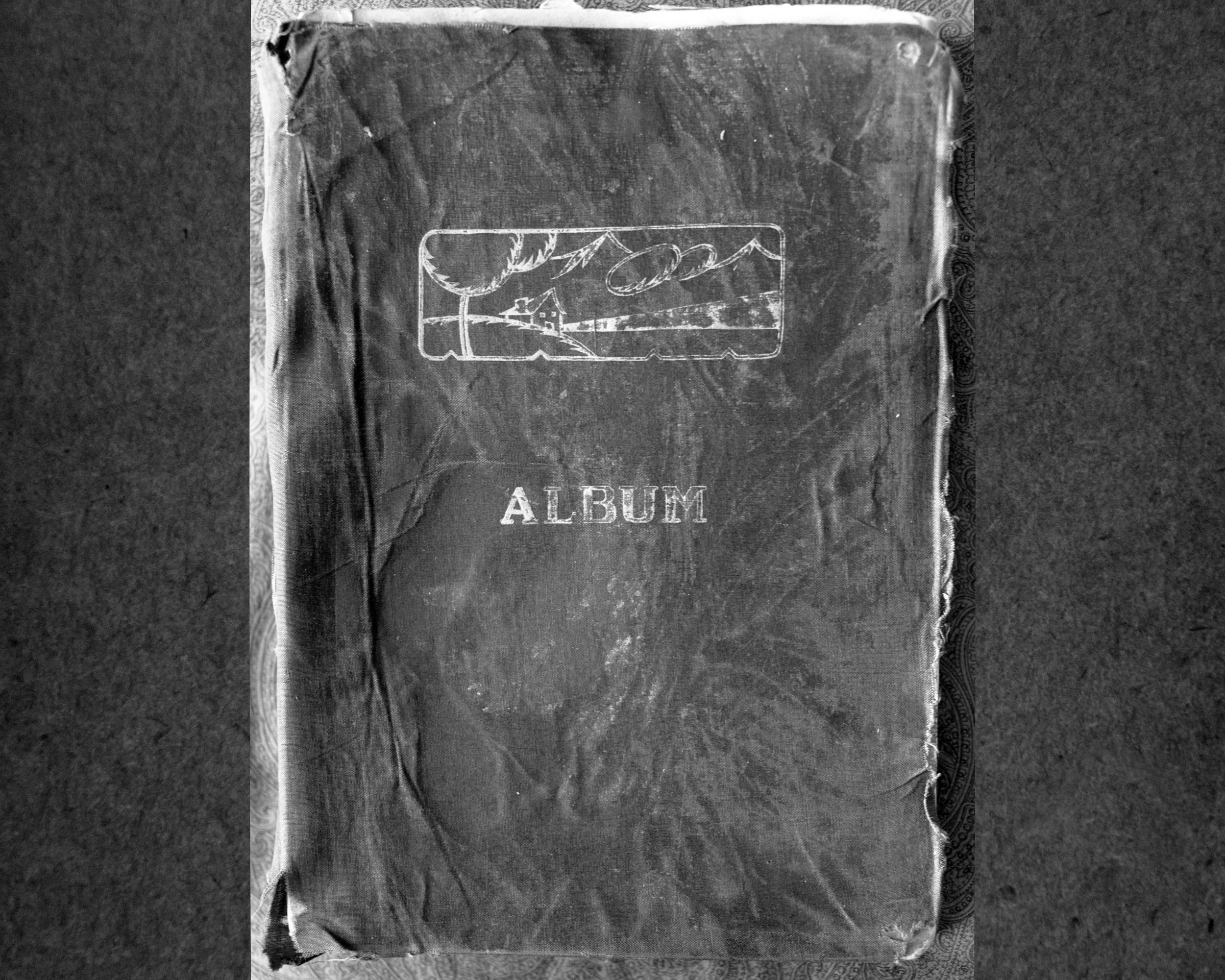
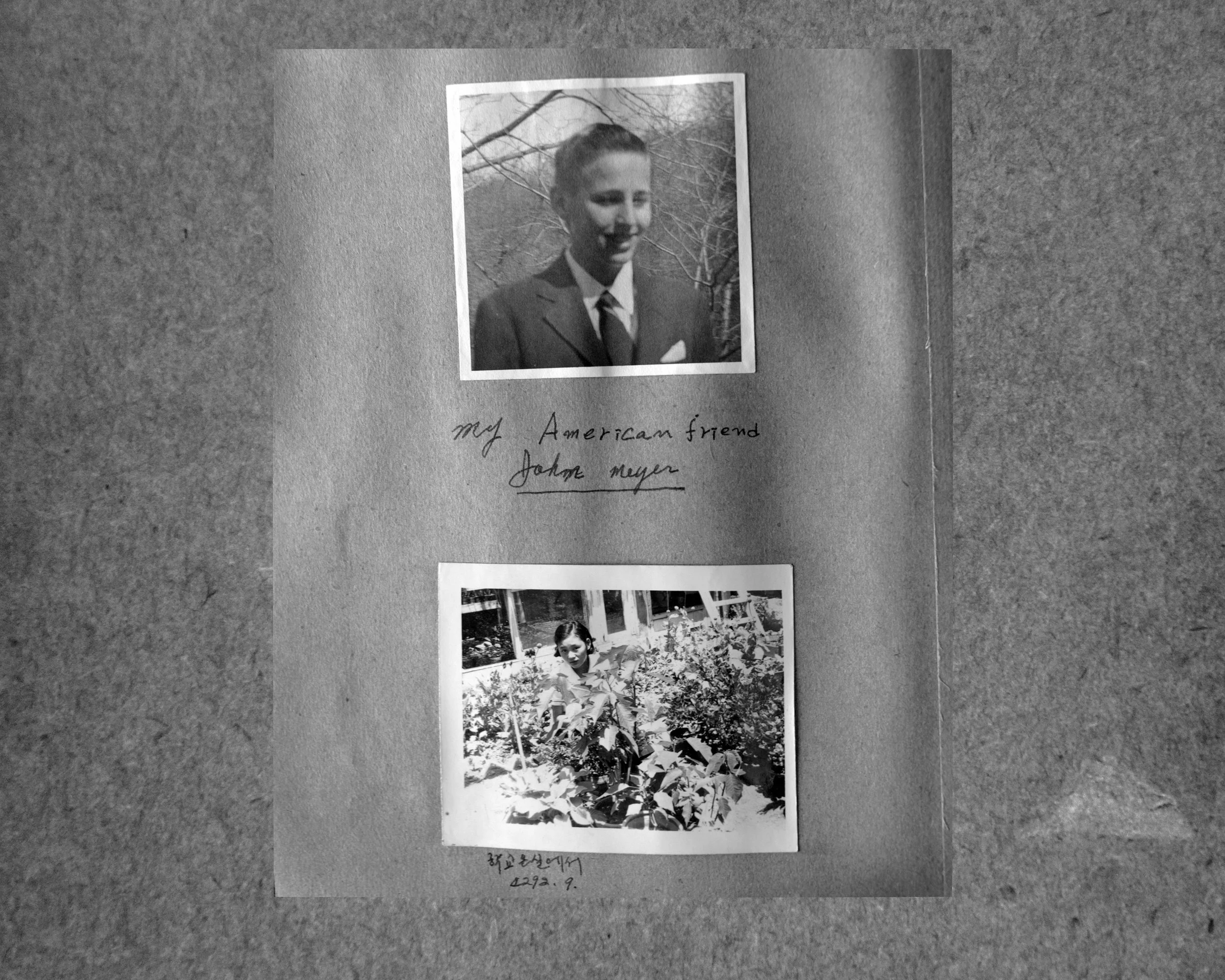
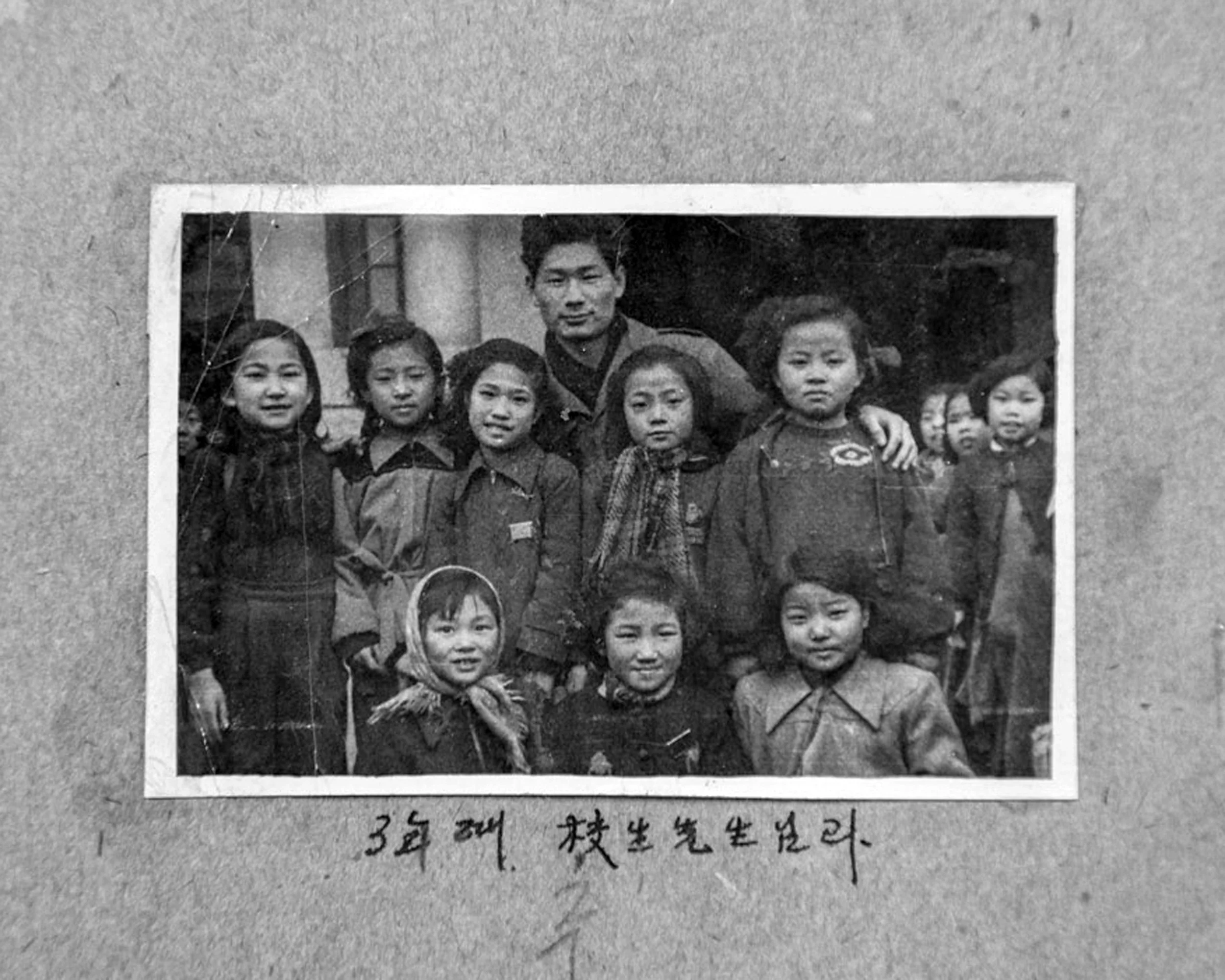
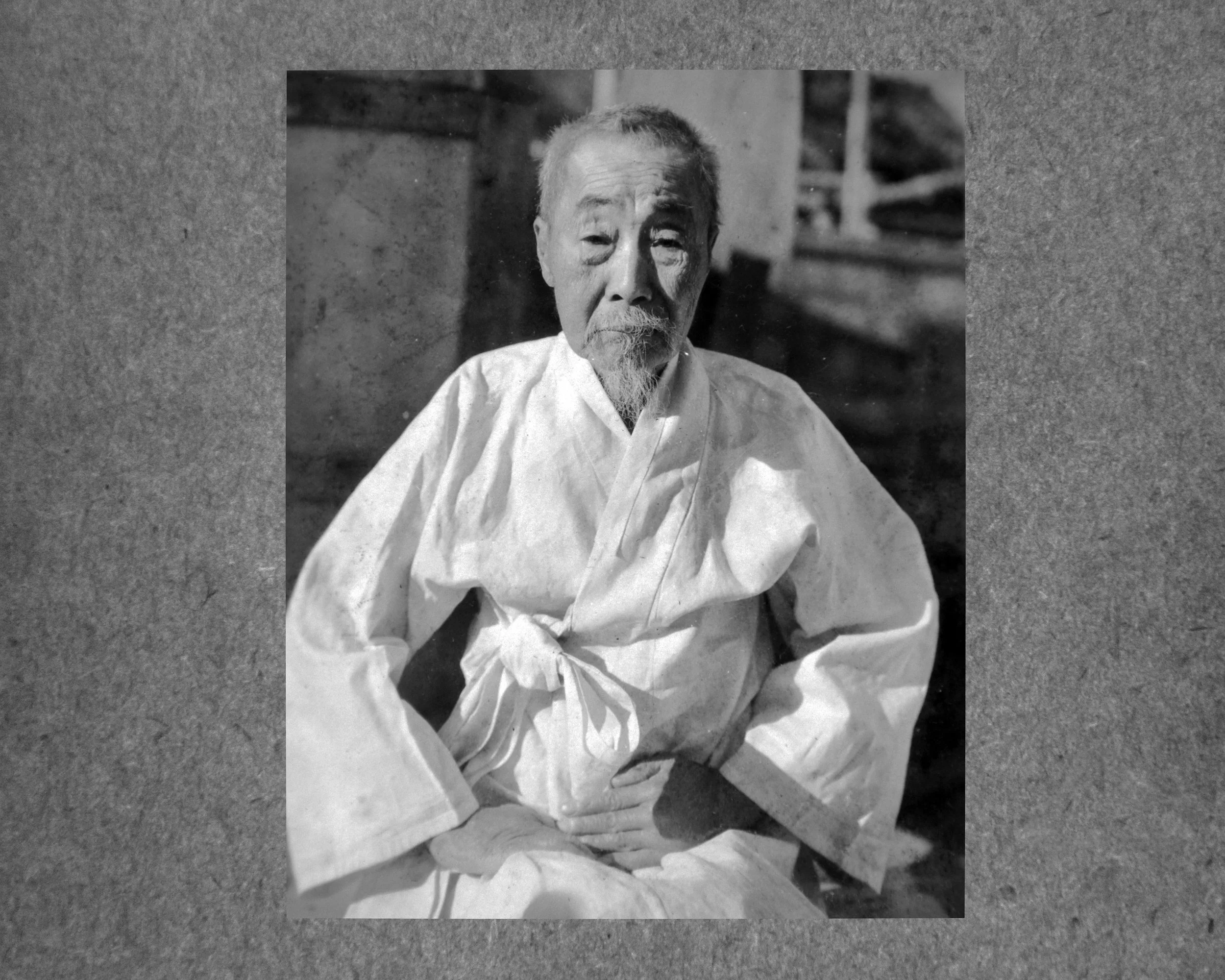
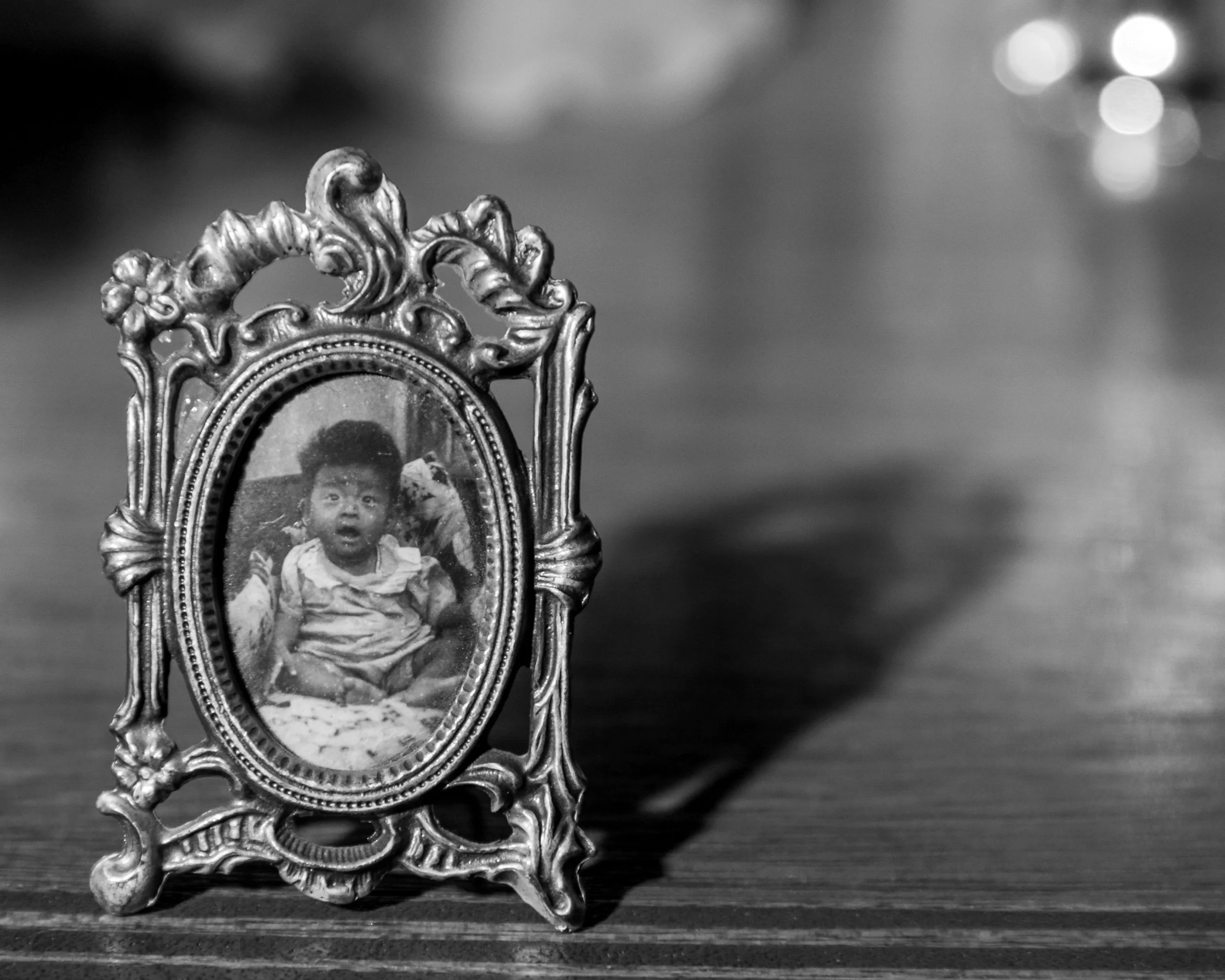
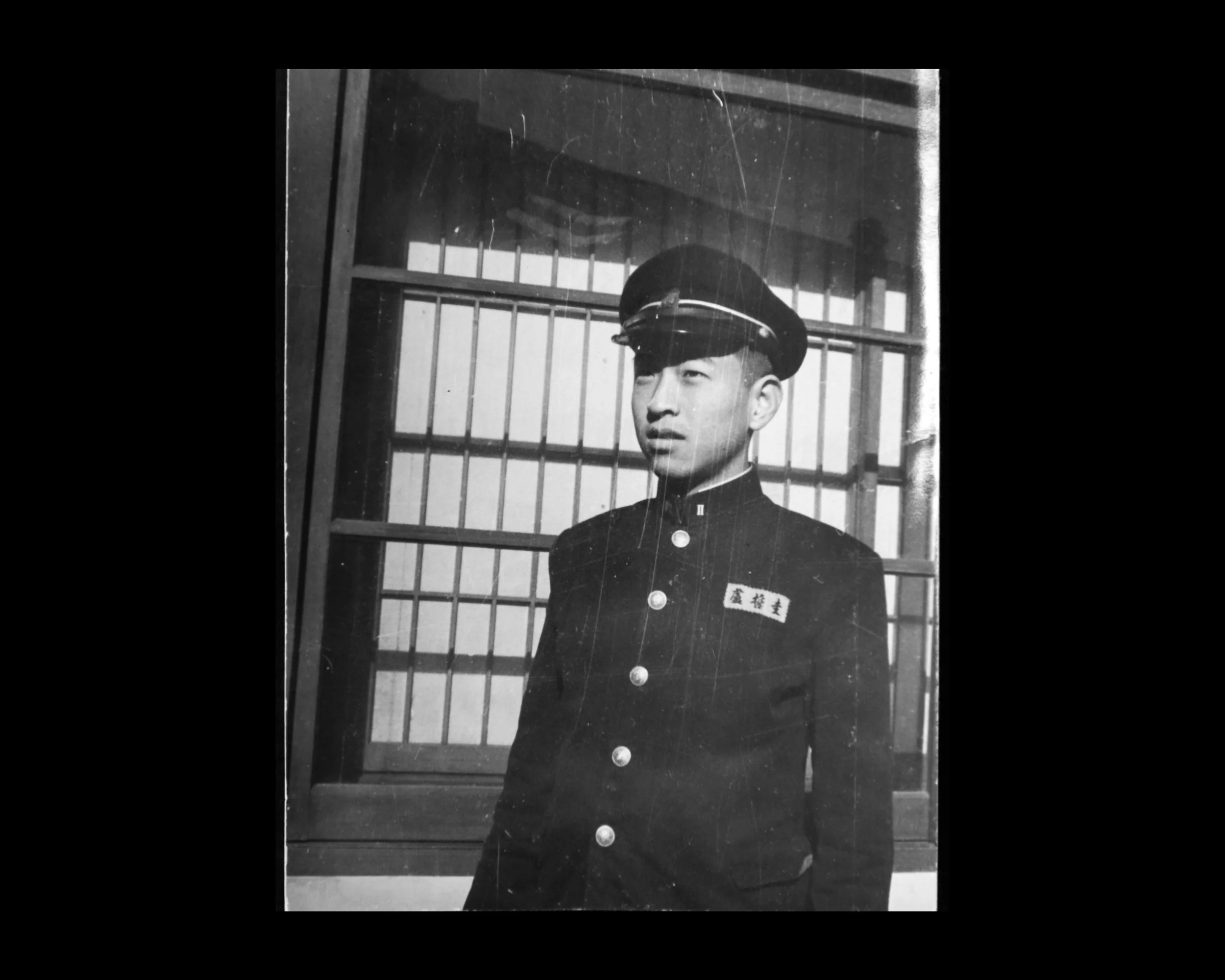
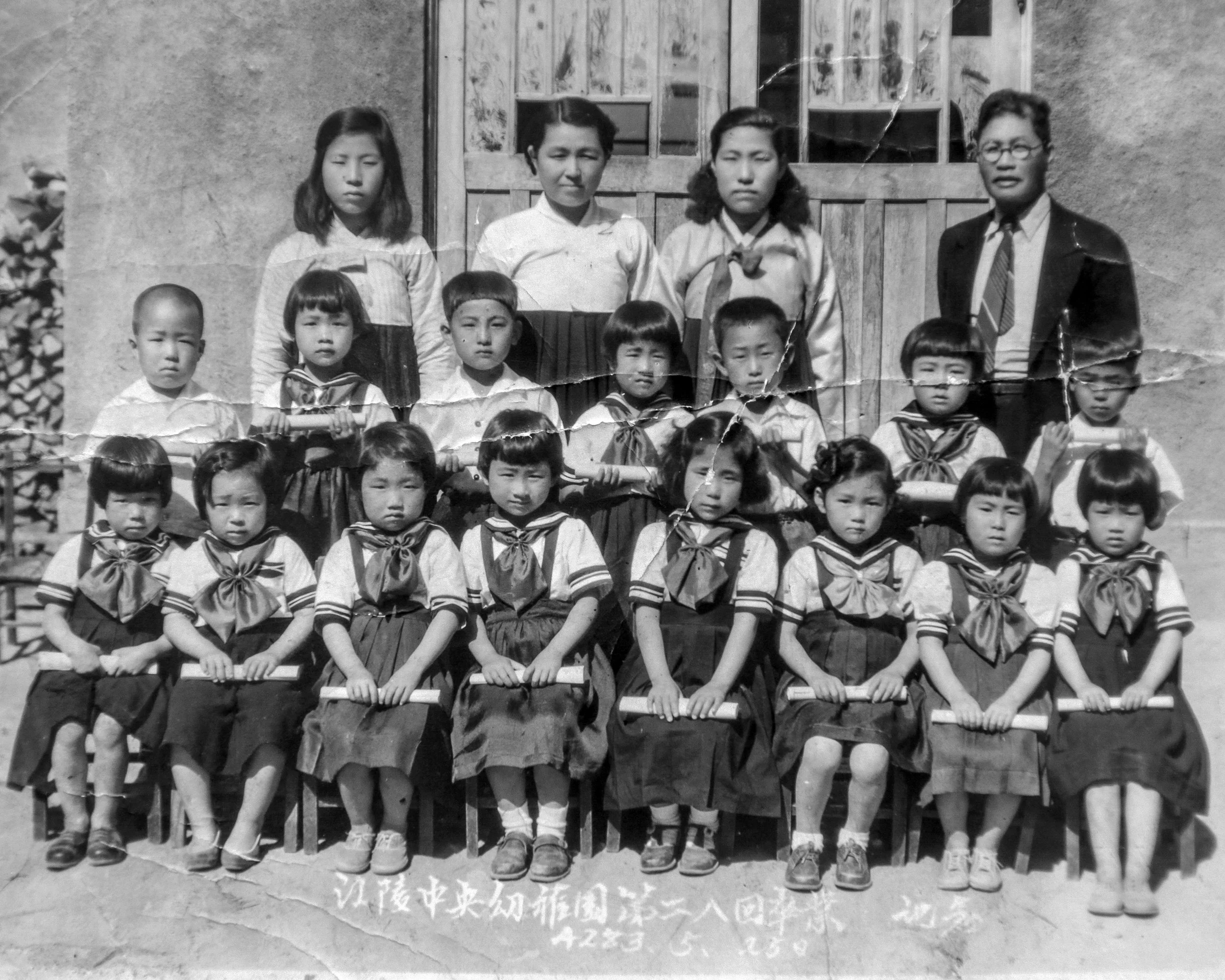
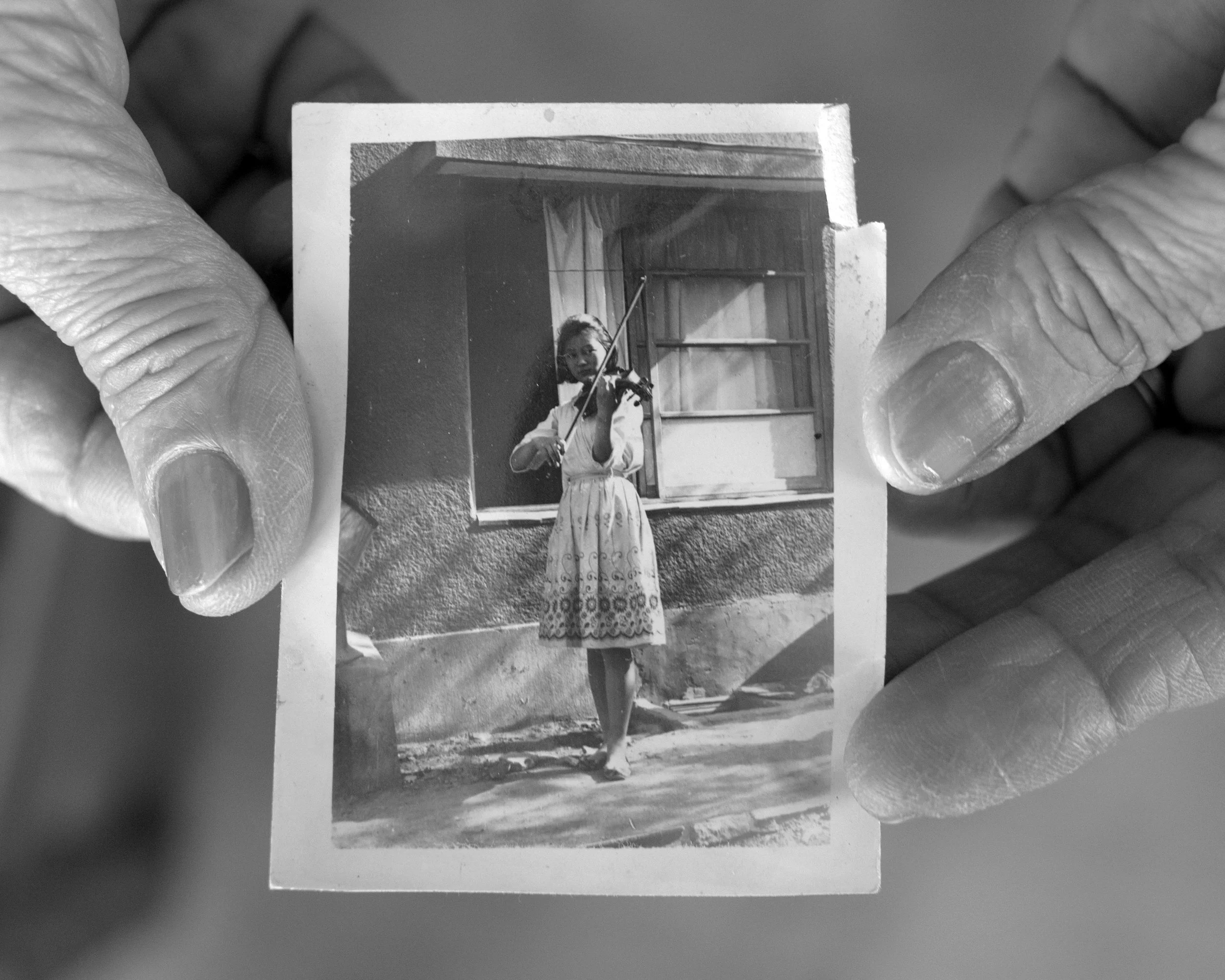
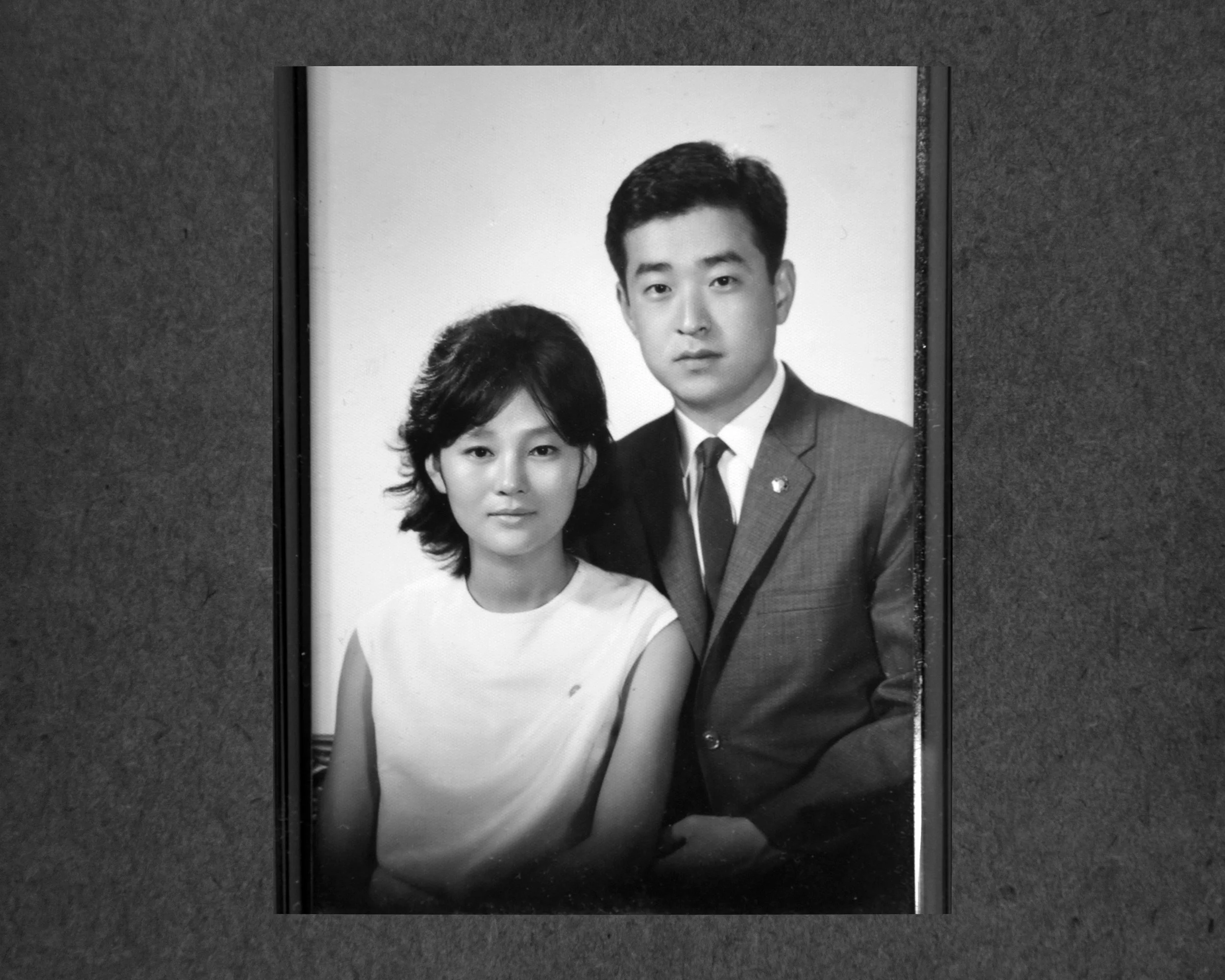
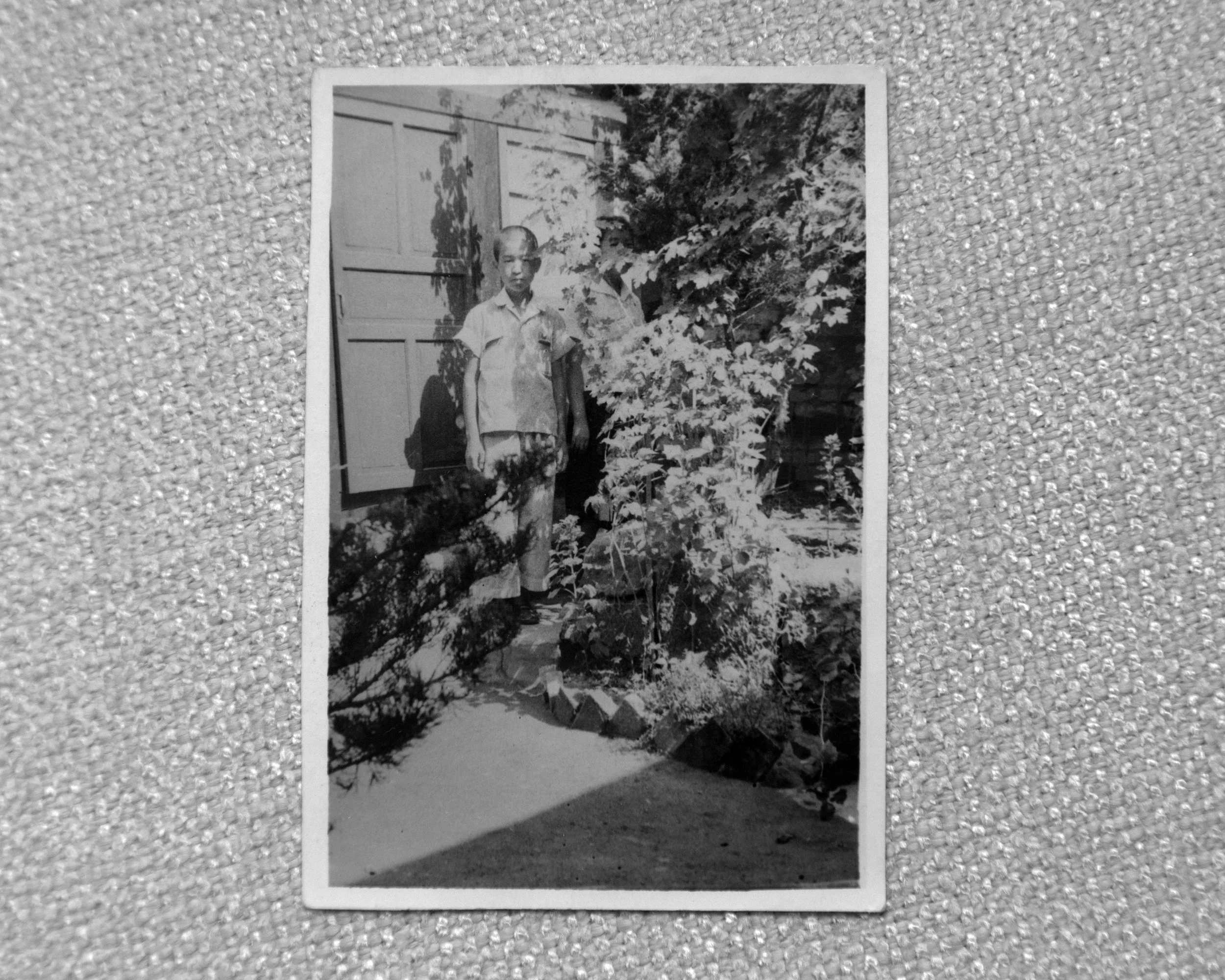
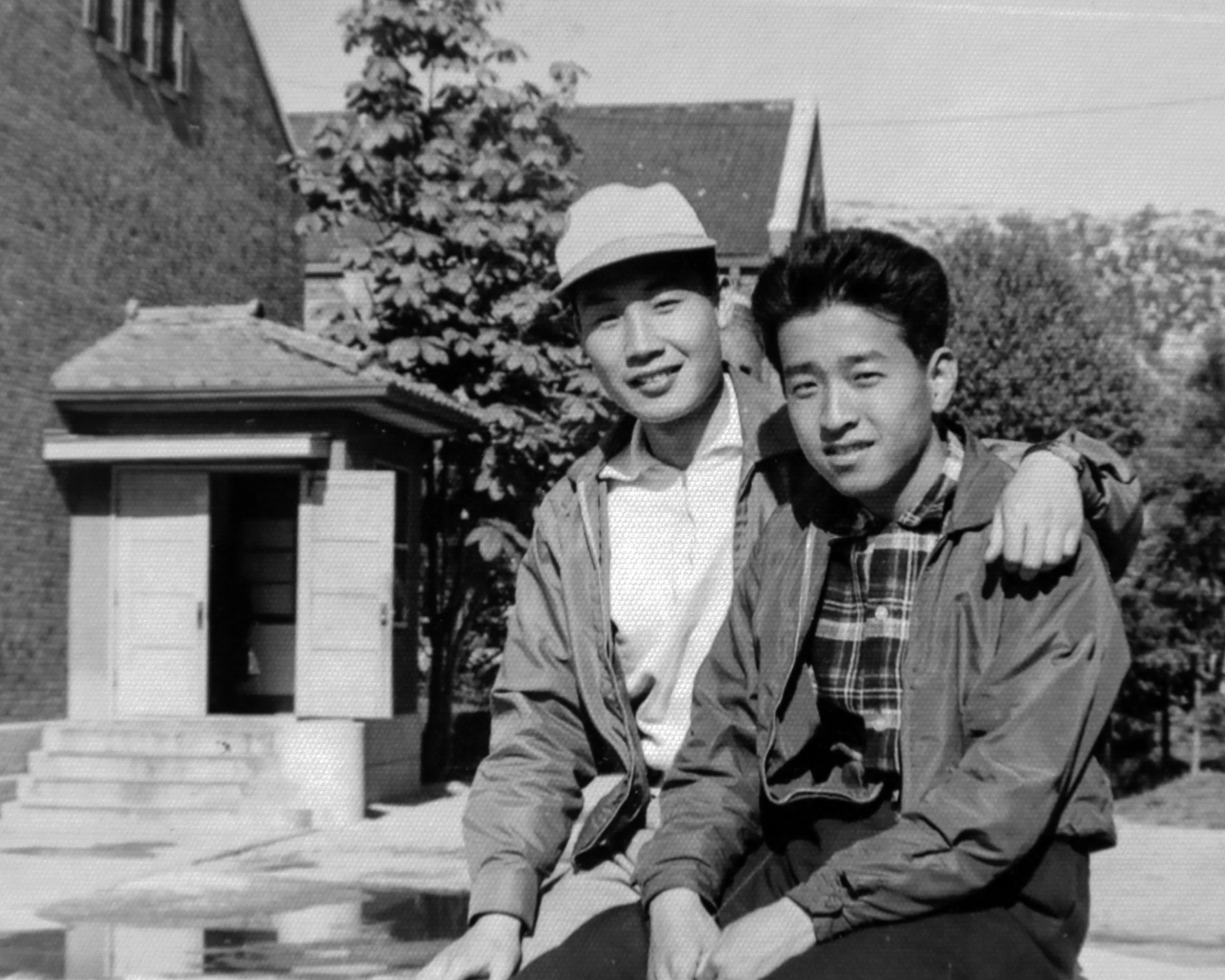
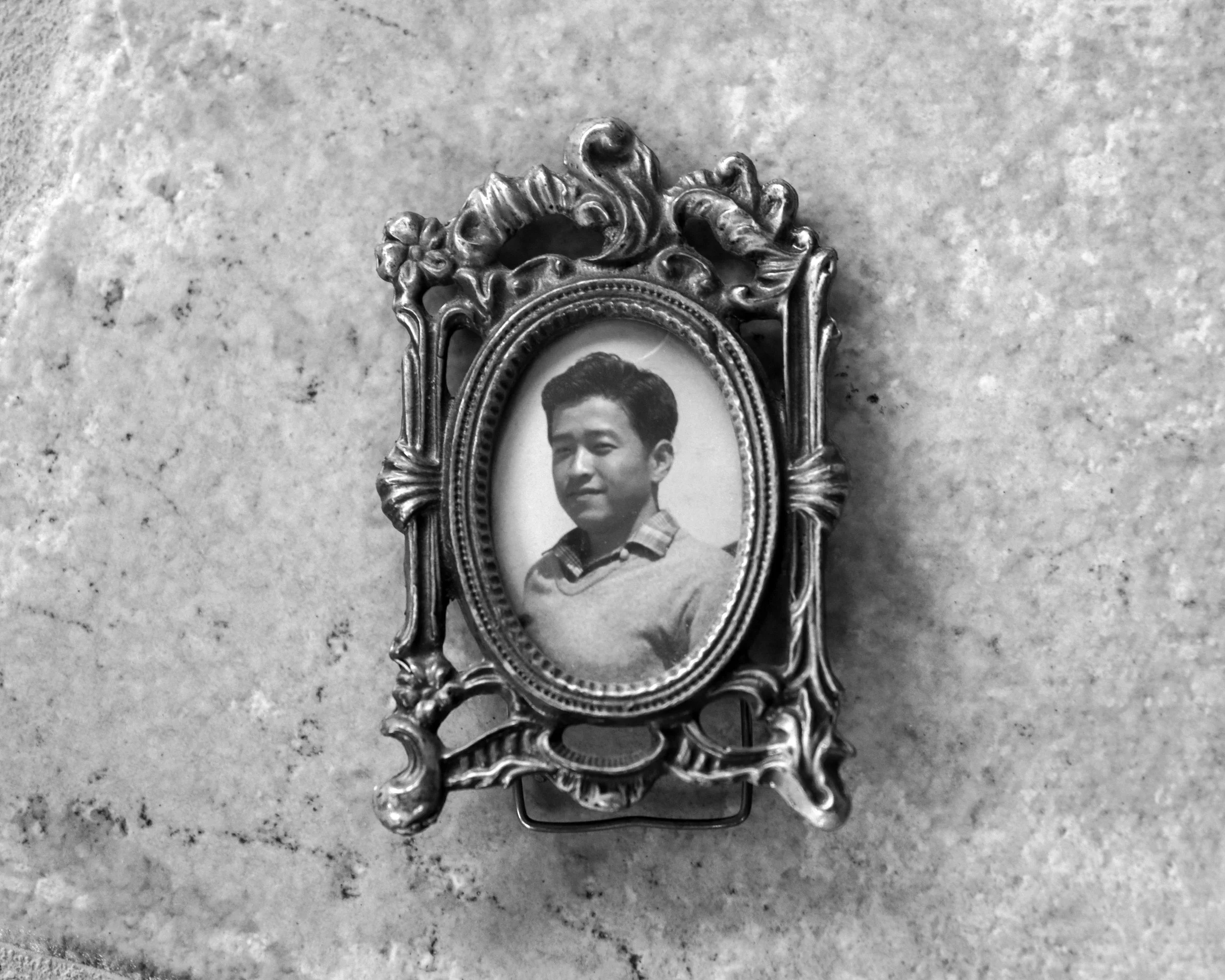
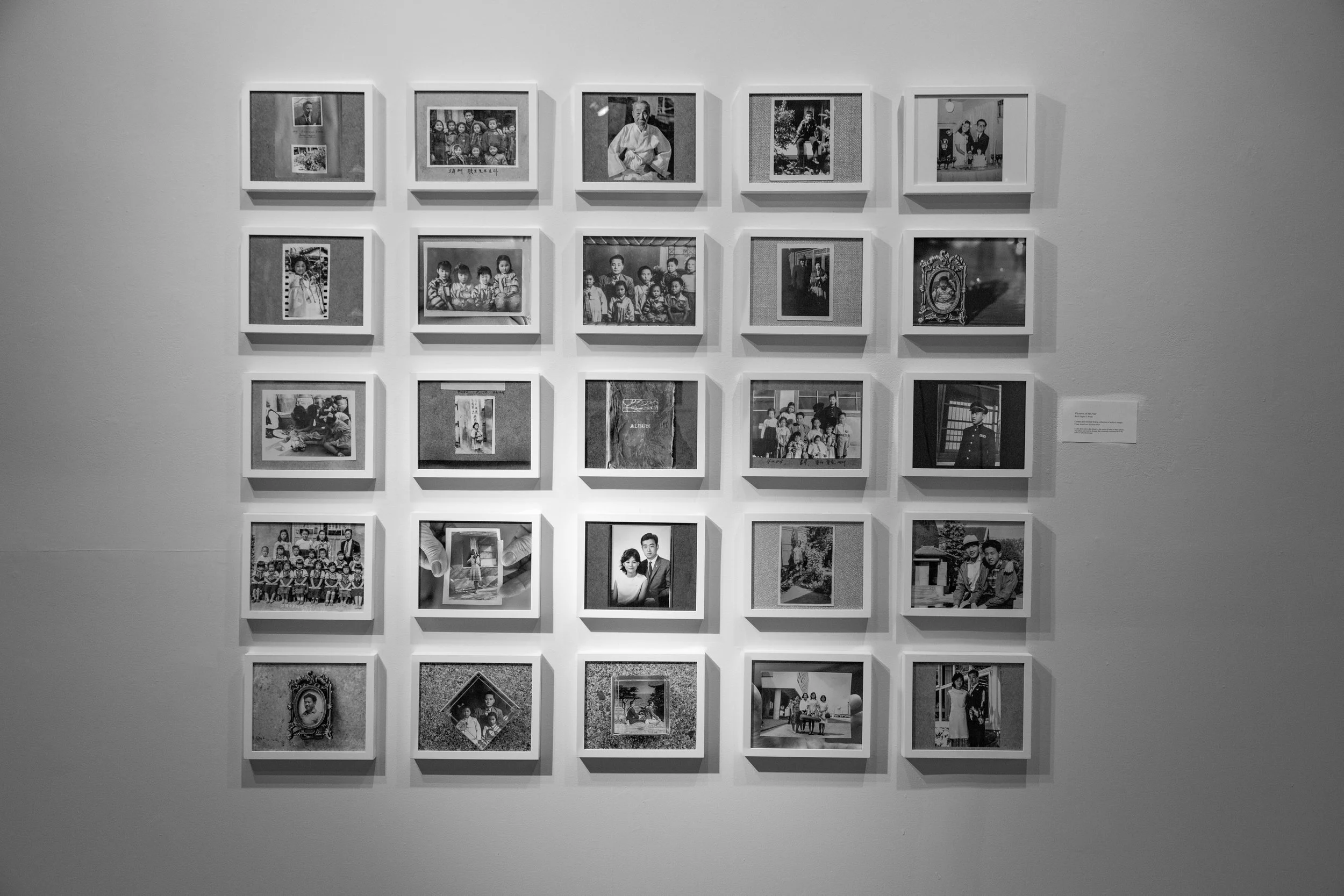
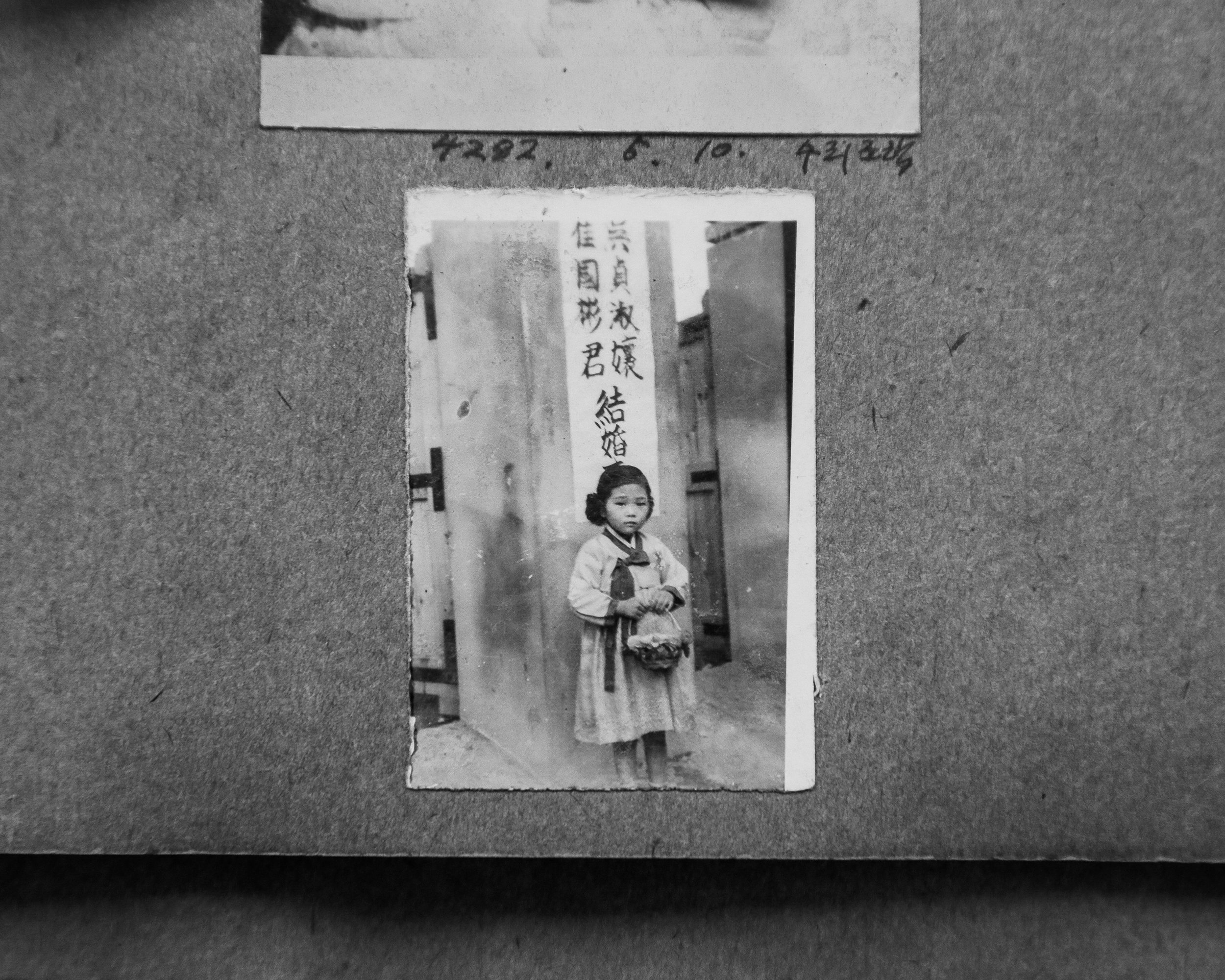
One of the most meaningful dimensions of this work has been the opportunity to preserve and reinterpret my family’s history. I have recorded my parents as they recount their childhood experiences during the Korean War—stories shaped by scarcity, upheaval, and survival—and paired those voices with family photographs that had nearly faded beyond recognition. Acting as both photographer and archivist, I have painstakingly restored and preserved these fragile images, rescuing them from the erosion of time. In doing so, I have come to understand photography not simply as a documentary medium, but as an act of stewardship: a way of safeguarding memory against disappearance.
Listening to my parents describe a homeland transformed by conflict and recalling the courage it took for them to leave everything familiar behind has deepened my appreciation of the sacrifices embedded within our family history. Their experiences of displacement and adaptation have shaped my own life in countless visible and invisible ways. The sense of dislocation they carried across oceans was, in many respects, inherited by their children, manifesting itself in questions of identity, belonging, and cultural loyalty that continue to evolve with each generation.
Ultimately, this work is an attempt to bridge distances—between past and present, Korea and America, memory and experience. It is a meditation on what it means to inherit histories that are simultaneously personal and collective, and on the enduring search for home within places that have alternately embraced and rejected us. Through these photographs, I hope to create a space for reflection and dialogue, one that recognizes the complexities of the immigrant experience while affirming the universal human desire to belong.