







Pulitzer Prize Winning Photographer

Dickinson College

Dickinson College

College Photographer

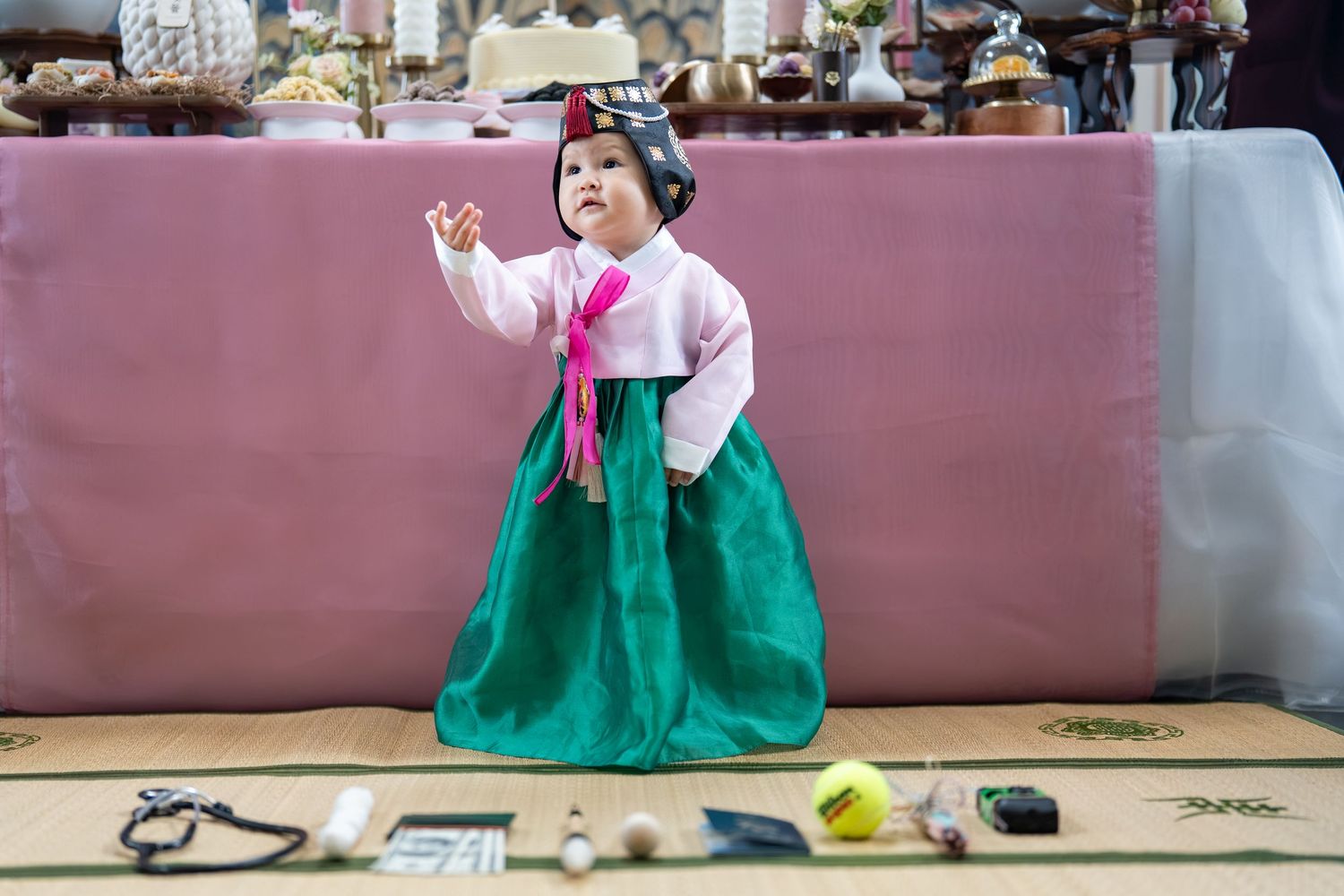
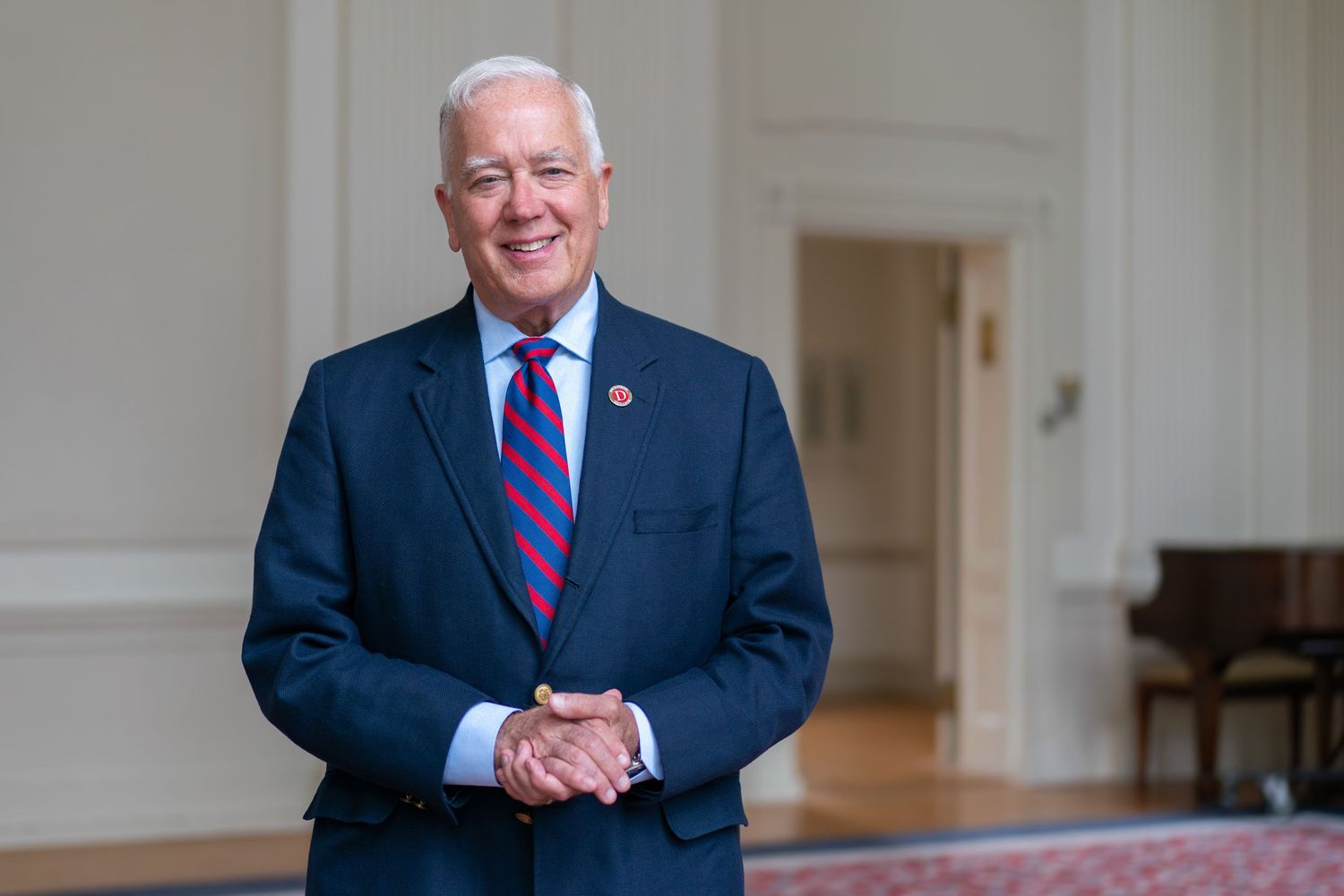
In 2021, I joined the marketing and communications team at Dickinson College as College Photographer, where I continue to document the people, events, and stories that define the campus community. Beyond creating visual narratives for the institution, I am committed to mentoring and supporting emerging photographers, helping to foster the growth and development of both staff and student visual storytellers.

Associated Press

AP

Associated Press AP

9/11 Aftermath

On September 11, 2001, I was a staff photographer with the Philadelphia bureau of the Associated Press. Early that morning, reports began to emerge that a plane had struck the North Tower of the World Trade Center. In those first chaotic moments, no one fully grasped what was happening. We did not yet know whether it was a tragic accident or the opening act of a coordinated attack. The enormity of the day—and the course of history it would alter—remained unimaginable.

I was assigned to help cover the unfolding story and headed toward the Hudson River waterfront in Jersey City and Bayonne, New Jersey. As the sun rose, I looked across the water toward lower Manhattan. The skyline, so familiar and enduring, had been transformed. Thick smoke billowed into the morning sky. Debris drifted on the wind. The city stood shrouded in shock and uncertainty.

Then, through my lens, I saw a different image.

Rising from New York Harbor, the Statue of Liberty stood framed against the smoke-darkened horizon. While devastation consumed the city beyond, her torch remained raised toward the sky. In that moment, she appeared not merely as a monument, but as a symbol of resilience—a quiet, steadfast presence amid chaos and grief.

As a photojournalist, my responsibility was to document events as they unfolded. Yet this photograph came to represent something beyond the tragedy itself. It captured a moment of profound contrast: destruction and hope, vulnerability and strength, despair and endurance. Against one of the darkest backdrops in American history, the image offered a reminder that the ideals embodied by Lady Liberty could not be diminished by the events of that day.

Photographed at sunrise from the New Jersey waterfront with a Nikon D1 digital camera and a Nikkor 500mm f/4 AIS lens, this remains one of the most meaningful images of my career—a testament not only to what was lost, but also to what endured.

turning_point_6x3936.jpg

Netflix Turning Point:
9/11 and the War on Terror

The Presidency in Peril

In 1998, I was part of the Associated Press photo team covering one of the most consequential political scandals in modern American history: the relationship between U.S. President Bill Clinton and White House intern Monica Lewinsky. What became known as the Clinton-Lewinsky scandal—or, more colloquially, "Monicagate"—dominated headlines for months, drawing intense public interest and creating an insatiable demand for photographs of the individuals at the center of the story.

Throughout that year, photographing Monica Lewinsky was a formidable challenge. Images of her were often made from several blocks away as she entered a federal courthouse, through the darkened windows of speeding vehicles, or amid chaotic crowds of reporters and photographers. Lewinsky and her legal team worked diligently to avoid the media, making access both rare and unpredictable. When a clear, publishable photograph was obtained, it was usually the result of hours—sometimes days—of waiting, watching, and anticipating.

This was long before smartphones and digital photography transformed news gathering. Every frame mattered. Working with a Nikon F5 film camera and an 80–200mm f/2.8 lens, photographers had to rely on experience, timing, and instinct, knowing there was no opportunity to review images instantly.

On April 6, 1998, Lewinsky appeared in Philadelphia at the historic Wanamaker Building alongside her attorney, William Ginsburg. As they exited the building, she suddenly broke into a hurried dash toward a waiting car. For a brief moment, the carefully managed barriers between subject and press disappeared. Standing only a few feet away, I had a split second to react.

I raised my camera and pressed the shutter.

The resulting photograph captured an unguarded moment in one of the most scrutinized stories of the decade—a fleeting expression preserved on film amid the political storm that threatened a presidency and captivated a nation.

6cb15d322b670d11f268cbb9a4bb4a6e84cbc277f65f67bfcce6de9ae0eb1743.jpg

Amazon Prime Video
The Clinton Affair

About

Dan Loh

About Dan Loh

Dan Loh is an American photojournalist, educator, and Pulitzer Prize-winning photographer whose career has encompassed breaking news, documentary photography, visual storytelling, and higher education.

As a staff photographer for the Associated Press, Loh was part of the team awarded the 1999 Pulitzer Prize for Feature Photography. During that period, he covered the political scandal involving U.S. President Bill Clinton and White House intern Monica Lewinsky, producing one of the most widely published images of the affair—a photograph of Lewinsky and her attorney, William Ginsburg, during a rare public appearance. The image was later included in Moments: The Pulitzer Prize-Winning Photographs and Capture the Moment: The Pulitzer Prize Photographs, and subsequently featured in the documentary series The Clinton Affair.

In 2001, Loh contributed to the Associated Press's coverage of the September 11 terrorist attacks. Among his most recognized photographs is an image of the smoke-shrouded Manhattan skyline seen across New York Harbor in the aftermath of the World Trade Center's destruction. The photograph was later featured in the documentary series Turning Point: 9/11 and the War on Terror and remains a poignant visual record of one of the defining events of the twenty-first century.

Following his tenure at the Associated Press, Loh spent nearly two decades working as a freelance photographer in New York City while teaching photography at the collegiate level. His work during this period reflected a deep commitment to documentary practice, visual literacy, and the education of emerging photographers. Whether covering news, creating editorial assignments, or mentoring students, he consistently emphasized the power of photography to inform, engage, and preserve human experience.

Since 2021, Loh has served as College Photographer at Dickinson College. In this role, he documents the life of the institution through a blend of journalistic observation and creative visual communication, producing imagery that supports the college's academic, cultural, and strategic initiatives. He also mentors students and younger staff members, sharing the technical, ethical, and storytelling principles that have shaped his own career.

Born in New York and raised in Carlisle, Pennsylvania, Loh earned a Bachelor of Fine Arts degree from Rochester Institute of Technology and a Master of Fine Arts degree from New Jersey City University. Across more than three decades behind the camera, he has documented moments of national significance while remaining dedicated to the human stories that give history its depth, meaning, and enduring resonance.